
Festus
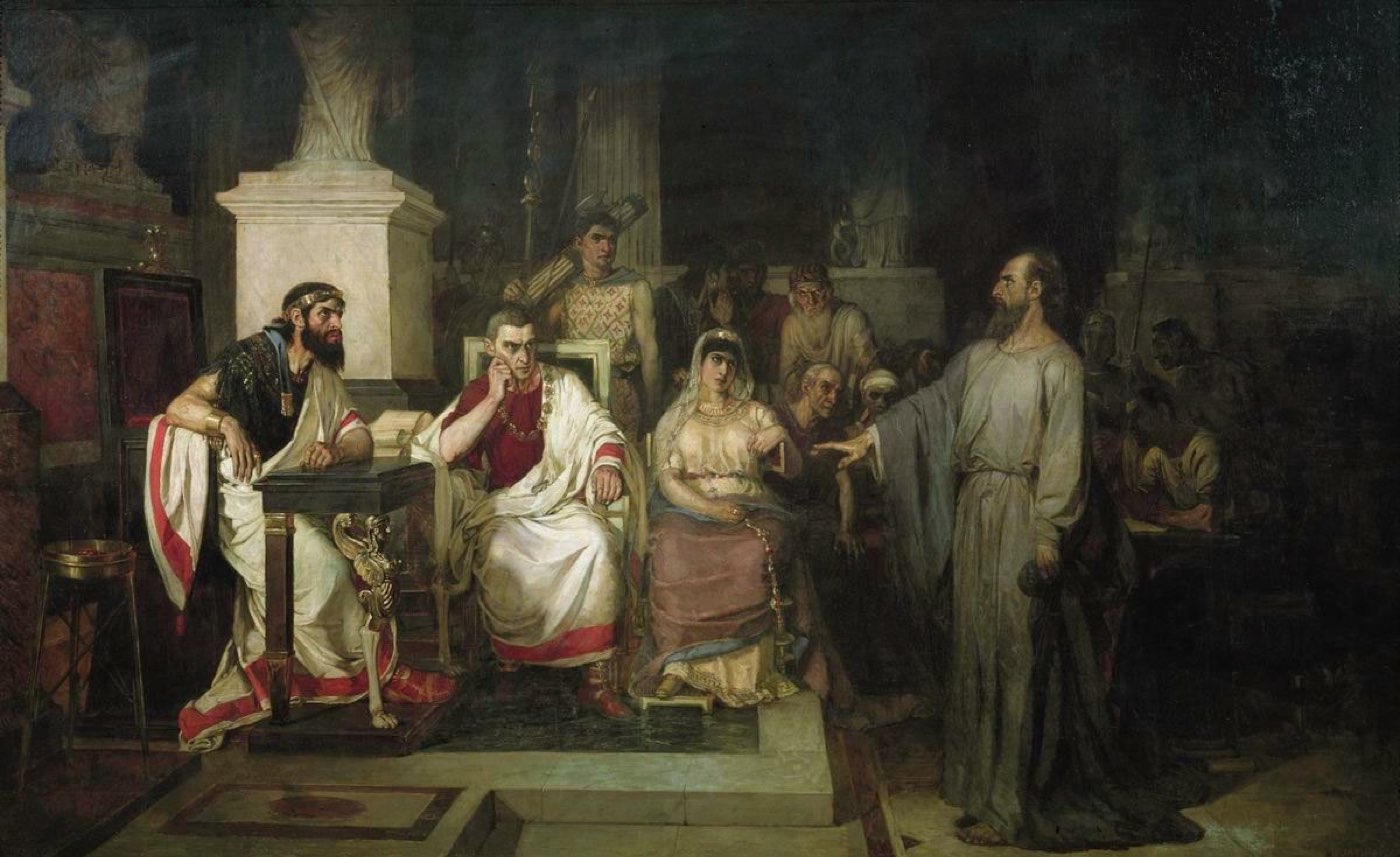
Porcius Festus inherited Felix’s mess in AD 59 or 60 and, by ancient accounts, governed it honestly in his short term. Acts shows him competent and quick: three days after arriving he was in Jerusalem hearing the priests’ two-year-old grudge against Paul, and he saw through their request to transfer the prisoner (an ambush was planned) while still wanting the political win of obliging them (Acts 25:1-9).
His proposal – trial in Jerusalem – pushed Paul to the step that reshaped the rest of Acts: “I appeal to Caesar.” Festus conferred with his council and answered in the formula that bound them both: “To Caesar you have appealed; to Caesar you shall go” (Acts 25:10-12). It left the new governor with an administrative embarrassment he confessed frankly to visiting King Agrippa: he had to ship a prisoner to Nero with no charges he could articulate – only “certain points of dispute… about a certain Jesus, who was dead, but whom Paul asserted to be alive” (Acts 25:18-19, 27). Luke could not have paid Festus’ honesty a higher compliment: the pagan bureaucrat summarized Christianity exactly.
At the grand hearing, Paul’s resurrection preaching finally cracked Roman composure: “Paul, you are out of your mind; your great learning is driving you out of your mind.” The reply was courtesy itself: “I am not out of my mind, most excellent Festus, but I am speaking true and rational words” (Acts 26:24-25). Festus died in office within two years; his prisoner’s appeal carried the gospel to Rome.
In the New Testament
- The appeal to Caesar (Acts 25:1-12)
- The consultation with Agrippa and the hearing (Acts 25:13-26:32)
Key Locations
- Caesarea Maritima Herod's harbor city, Rome's capital in Judea -- home of Cornelius, Philip, and Paul's two-year imprisonment.
- Jerusalem The holy city -- David's capital, the temple's home, the stage of the crucifixion, resurrection, and Pentecost.