
Demetrius the Silversmith
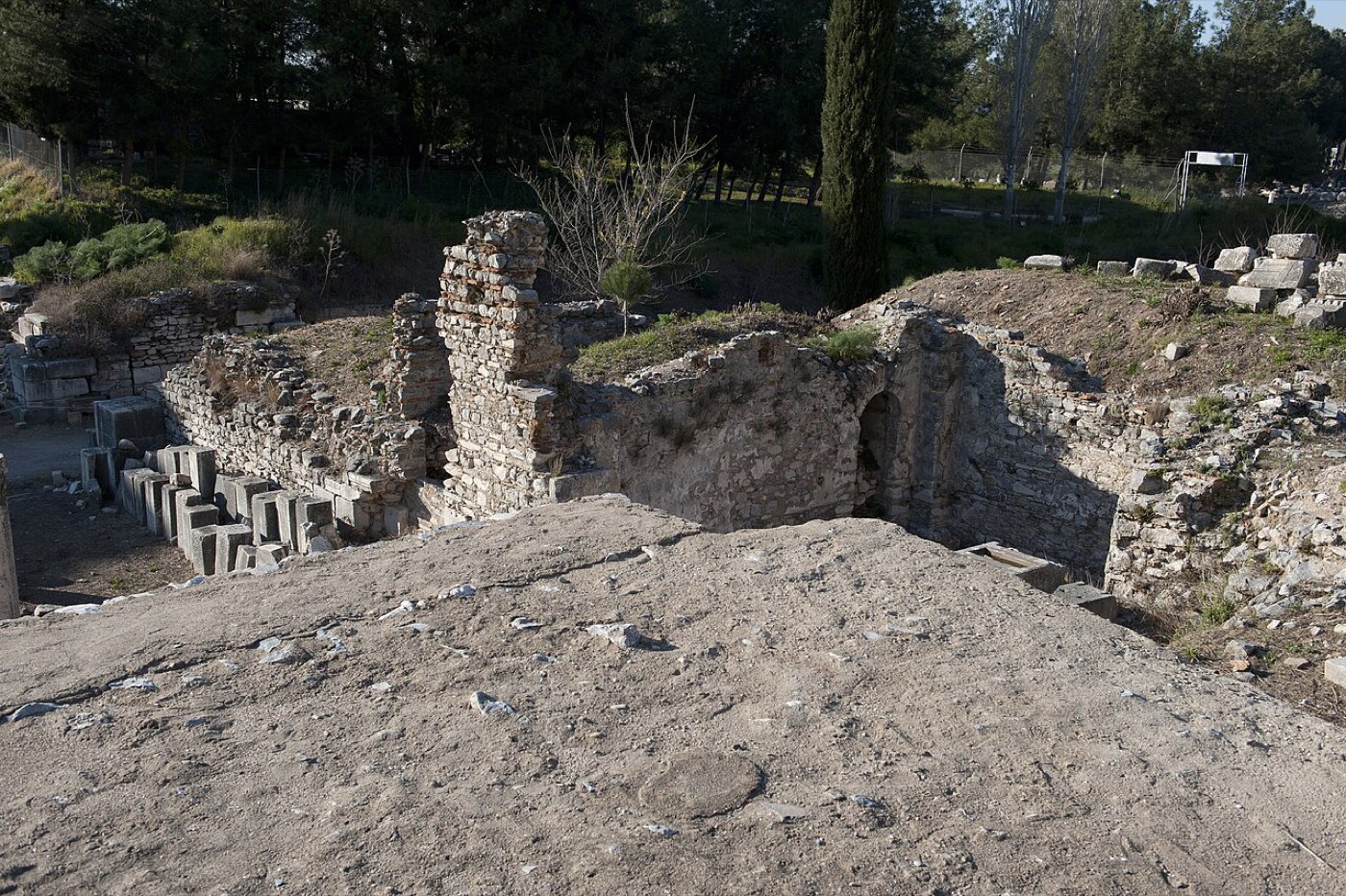
Demetrius made silver shrines of Artemis, and Paul’s two years of preaching had done something sermons rarely do: moved the sales numbers. “You see and hear that not only in Ephesus but in almost all of Asia this Paul has persuaded and turned away a great many people, saying that gods made with hands are not gods” (Acts 19:26) – as clear a summary of Paul’s message as any hostile witness ever gave.
His speech to the guild is a small masterpiece of motivated reasoning, moving in one breath from the ledger to the goddess: “from this business we have our wealth… and the temple of the great goddess Artemis may be counted as nothing” (Acts 19:25-27). Wallet first, worship second, and the mob supplied the rest: two solid hours of “Great is Artemis of the Ephesians!” in the 24,000-seat theater, with most of the crowd, Luke notes dryly, not knowing why they had come together. The town clerk finally talked the assembly down with the observation that Demetrius had courts available and that Rome frowned on unexplained riots (Acts 19:28-41).
Demetrius achieved nothing and demonstrated everything: the gospel had grown strong enough in Asia to register as an economic event, and idolatry’s most honest defense had turned out to be a profit motive in a religious costume.
In the New Testament
- The riot of the silversmiths (Acts 19:23-41)
Key Locations
- Ephesus The great city of Asia -- Artemis' temple, Paul's three-year ministry, and the first church of Revelation.