
Cornelius
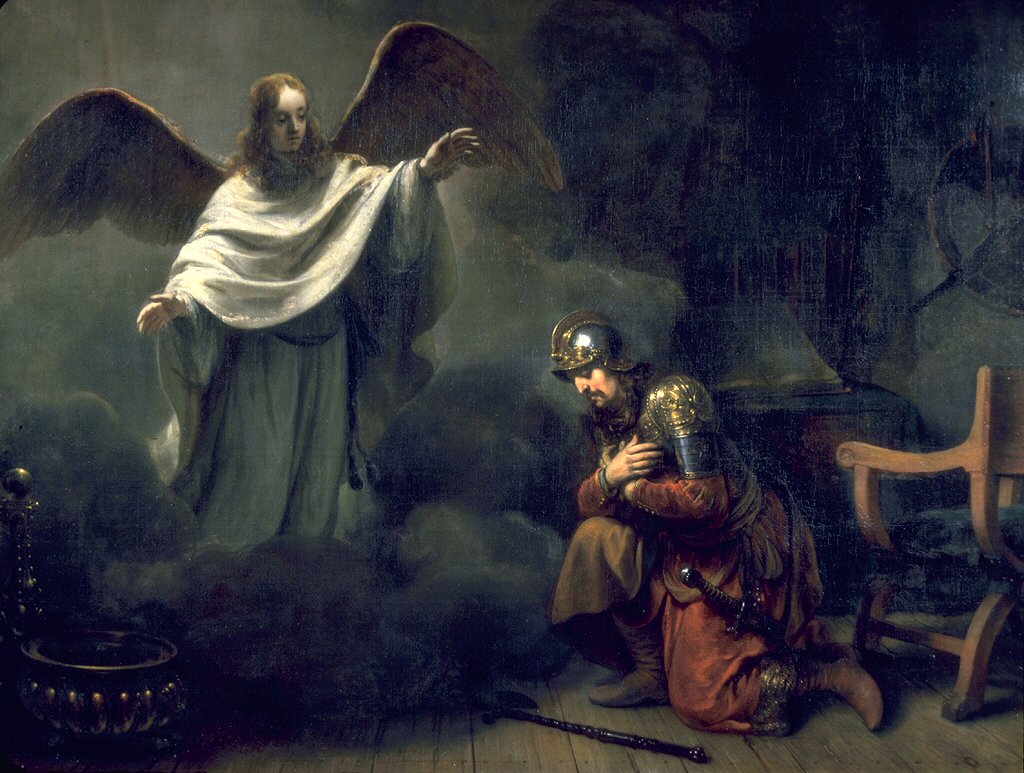
Luke gives him the fullest introduction of any Gentile in the New Testament: a centurion of the Italian Cohort at Caesarea, “a devout man who feared God with all his household, gave alms generously to the people, and prayed continually to God” (Acts 10:1-2) – a Roman officer who had fallen in love with Israel’s God from the outside, as close as the old boundary lines allowed.
God dismantled the boundary with a two-sided operation. An angel told Cornelius to send for a man named Peter in Joppa; a rooftop vision told Peter three times, “What God has made clean, do not call common.” The soldier’s messengers knocked while Peter was still puzzling, and two days later a Jewish apostle stood in a Gentile’s living room saying out loud what the vision meant: “God shows no partiality” (Acts 10:3-35). Peter preached Jesus; heaven interrupted the sermon. “The Holy Spirit fell on all who heard the word” – tongues, praise, a Gentile Pentecost – leaving Peter one unanswerable question: “Can anyone withhold water for baptizing these people?” (Acts 10:44-48).
Cornelius’ household became the test case for the whole Gentile mission: when Jerusalem objected, Peter simply retold this story, and the critics “glorified God, saying, ‘Then to the Gentiles also God has granted repentance that leads to life’” (Acts 11:18). Every non-Jewish believer since stands in the doorway of that Caesarea house.
In the New Testament
- The visions and the meeting (Acts 10:1-33)
- Peter’s sermon and the Gentile Pentecost (Acts 10:34-48)
- The precedent cited (Acts 11:1-18; 15:7-9)
Key Locations
- Caesarea Maritima Herod's harbor city, Rome's capital in Judea -- home of Cornelius, Philip, and Paul's two-year imprisonment.
- Joppa The old port of Jerusalem, where Peter raised Tabitha and saw the vision of the sheet.