
Barabbas
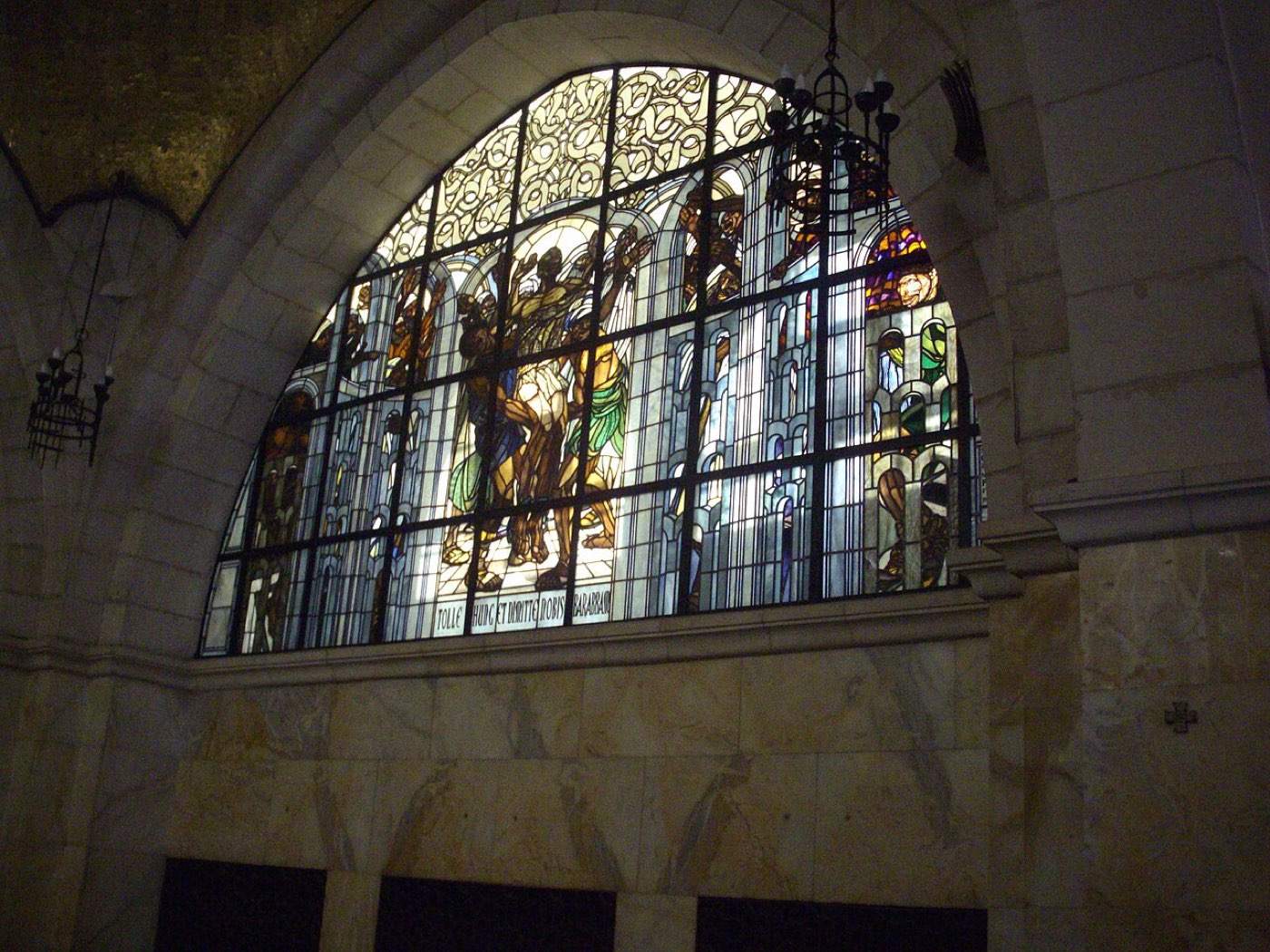
He was everything the charges against Jesus falsely alleged: a real insurrectionist, imprisoned “with the rebels… who had committed murder in the insurrection” (Mark 15:7), a man of violence awaiting a Roman cross he had actually earned. His name is a dark joke of providence – bar abbas, “son of the father” – and some ancient manuscripts of Matthew give his full name as Jesus Barabbas, sharpening Pilate’s question to a razor: which Jesus, which son of the father, do you want?
Pilate offered the Passover amnesty expecting an easy answer; the stirred-up crowd gave the other one. “Away with this man, and release to us Barabbas!” – “Then what shall I do with the man you call the King of the Jews?” – “Crucify him” (Mark 15:6-15; Luke 23:18-25). So the murderer walked, and the innocent man took the murderer’s cross – likely the very center cross prepared for him, between his two comrades.
Scripture never records what became of Barabbas, and does not need to: he exists in the story as every reader’s stand-in, the one person on earth who could say with flat literalism, “Jesus died in my place.” The doctrine the epistles call substitution, Good Friday first performed live, with Barabbas as the demonstration.
In the New Testament
- The choice of the crowd (Matthew 27:15-26; Mark 15:6-15; Luke 23:18-25; John 18:39-40)
- Peter’s summary: “you denied the Holy and Righteous One, and asked for a murderer” (Acts 3:14)
Key Locations
- The Praetorium The Roman governor's headquarters in Jerusalem, where Pilate tried Jesus -- and later the garrison that held Paul.
- Jerusalem The holy city -- David's capital, the temple's home, the stage of the crucifixion, resurrection, and Pentecost.