
Ananias of Damascus
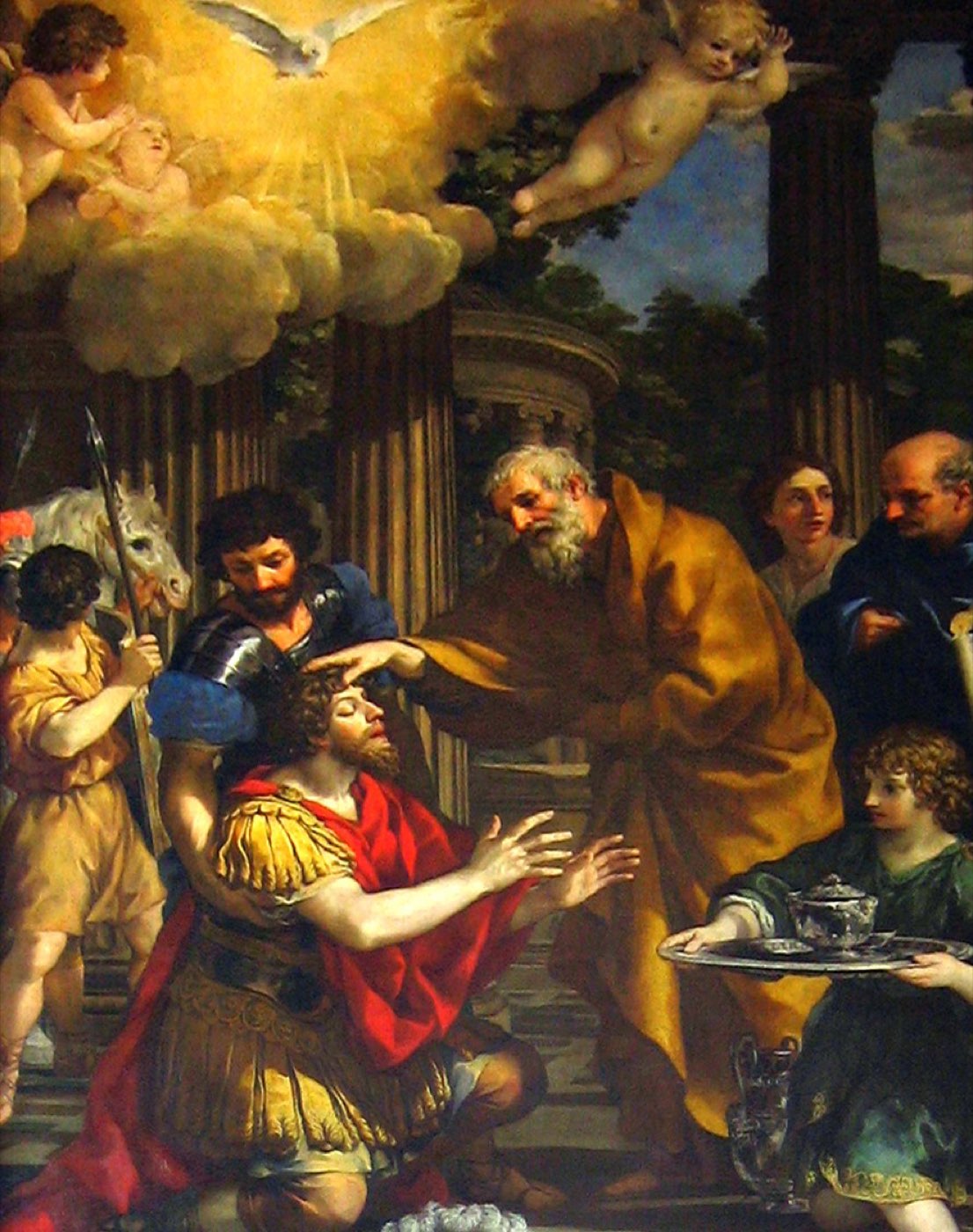
He is “a disciple at Damascus” – no title, no office, later described by Paul only as “a devout man according to the law, well spoken of by all the Jews who lived there” (Acts 22:12). The Lord’s errand for him was, by every earthly measure, insane: go to the house of Judas on Straight Street and lay hands on Saul of Tarsus – the inquisitor whose arrival warrant had Damascus’ believers hiding. Ananias said so: “Lord, I have heard from many about this man, how much evil he has done to your saints” (Acts 9:10-14).
The answer he received contained Paul’s whole future – “he is a chosen instrument of mine to carry my name before the Gentiles and kings and the children of Israel” – and Ananias went. His first two words to the blinded persecutor may be the bravest greeting in Scripture: “Brother Saul.” Hands laid on, sight restored, Spirit given, baptism administered (Acts 9:15-19). Then Ananias walks out of the Bible entirely.
He remains the patron of every unglamorous, essential obedience: the man whose one recorded afternoon of ministry welcomed into the family the apostle who would write half the New Testament. Somebody had to be first to call Saul “brother.” God chose an ordinary believer with reasonable objections, and the ordinary believer went.
In the New Testament
- The vision and the errand (Acts 9:10-19)
- Paul’s own account of him (Acts 22:12-16)
Key Locations
- Damascus The ancient Syrian city on whose road Saul met the risen Christ.