
Damascus
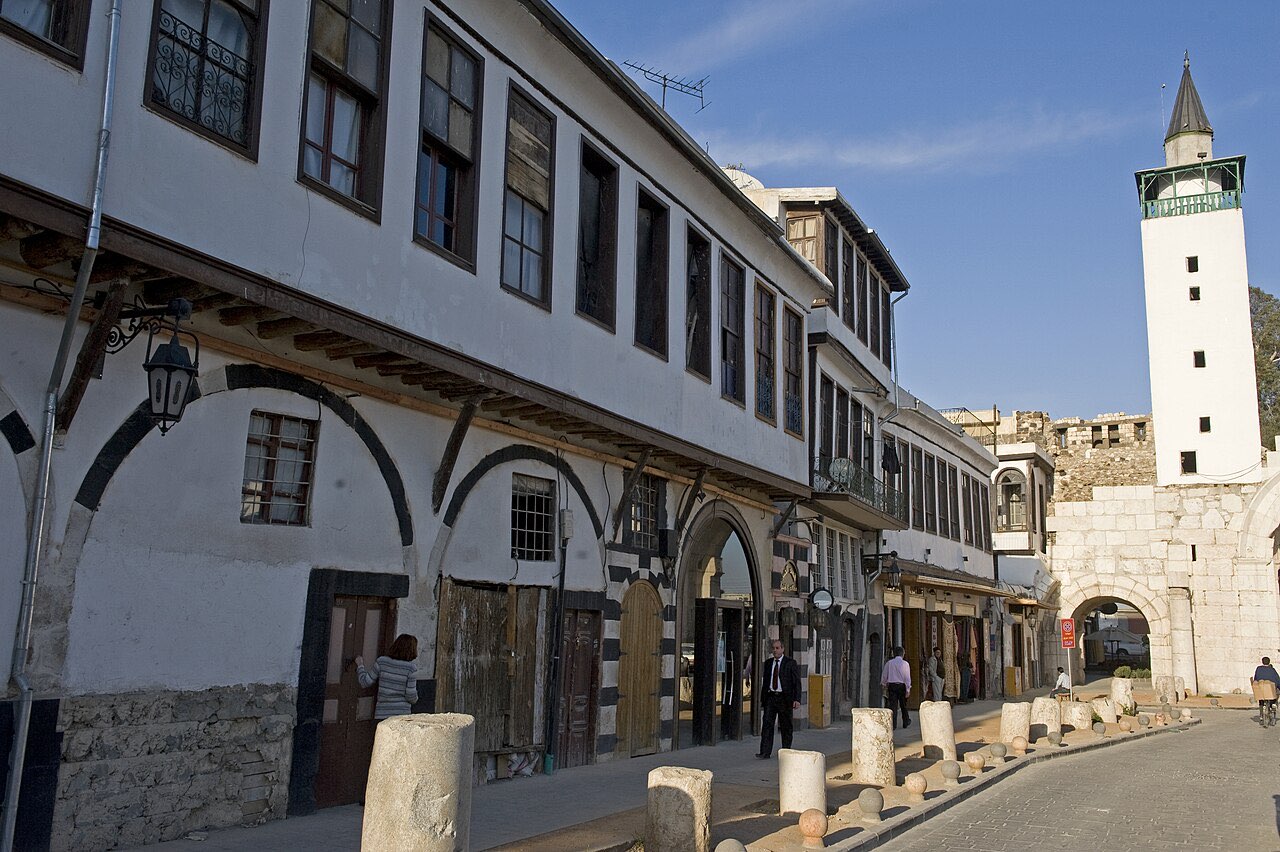
Damascus claims to be the oldest continuously inhabited city on earth – already ancient when Abraham passed by (Genesis 14:15), capital of Israel’s Aramean rivals, home of Naaman, and by the first century a caravan hub with a large Jewish community. It lay about 135 miles northeast of Jerusalem: a week’s journey that gave a man plenty of time to think, which is precisely what Saul of Tarsus was doing on it, “breathing threats and murder,” carrying warrants for Damascus’ Christians.
He never served them. “Now as he went on his way, he approached Damascus, and suddenly a light from heaven shone around him” – and the voice: “Saul, Saul, why are you persecuting me?” (Acts 9:1-9). Led blind into the city, he waited three days in the house of Judas on “the street called Straight” until a frightened disciple named Ananias obeyed the Lord, laid hands on him, and called him “Brother Saul.” The scales fell; the persecutor was baptized; and “immediately he proclaimed Jesus in the synagogues” of the very city he had come to purge (Acts 9:10-22). His first taste of the persecuted life followed fast: lowered from the wall in a basket by night (Acts 9:23-25; 2 Corinthians 11:32-33).
The Street Called Straight still crosses the old city from gate to gate, one of the few New Testament addresses you can walk end to end.
In the New Testament
- The Damascus road and Saul’s conversion (Acts 9:1-19; retold in Acts 22 and 26)
- Saul preaching in Damascus and escaping in a basket (Acts 9:20-25)
- Paul’s own accounts (Galatians 1:15-17; 2 Corinthians 11:32-33)