
Adam
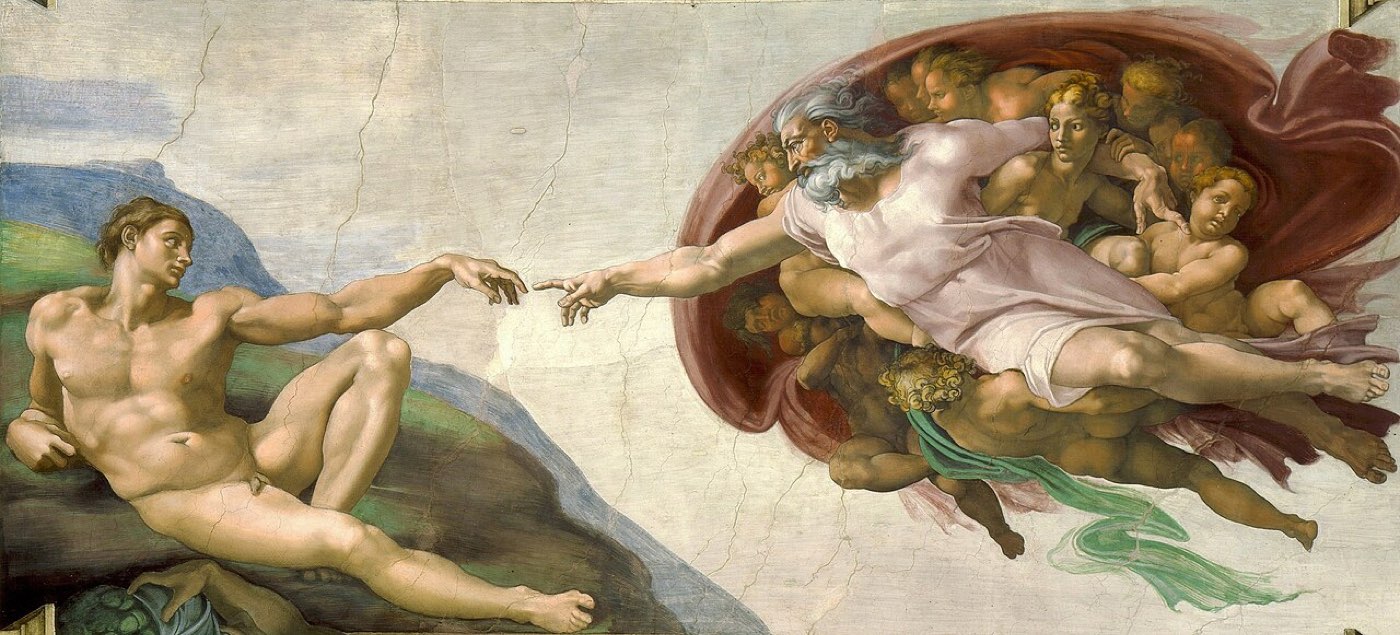
Adam matters to the New Testament as the head of the human family – the one in whom, Paul argues, we all fell before any of us chose. “Sin came into the world through one man, and death through sin, and so death spread to all men” (Romans 5:12). Luke’s genealogy runs Jesus’ line all the way back to “Adam, the son of God” (Luke 3:38), stitching the Savior into the whole race rather than one branch of it; Jesus himself answers questions about marriage “from the beginning,” citing Adam and Eve’s making as the Creator’s design (Matthew 19:4-6).
Paul’s great pattern is the two Adams. Romans 5 sets them clause against clause – one trespass, condemnation for all; one act of righteousness, justification and life. First Corinthians 15 finishes the symmetry at the resurrection: “as in Adam all die, so also in Christ shall all be made alive… The first man Adam became a living being; the last Adam became a life-giving spirit” – dust-man and heaven-man, and believers destined to trade the first image for the second (1 Corinthians 15:21-22, 45-49). Every human being, in this reckoning, lives under one federal head or the other.
The details of the Gospel story keep the typology humming: tested in a garden where Adam was tested in a garden; thorns, the curse’s emblem, worn as a crown; a tomb in a garden opening on the first day of a new week – a new creation morning. Where the first Adam reached for equality with God and lost paradise, the last “did not count equality with God a thing to be grasped” and reopened it (Philippians 2:6; Revelation 22).
In the New Testament
- The genealogy to Adam (Luke 3:38)
- The two Adams (Romans 5:12-21; 1 Corinthians 15:21-22, 45-49)
- “From the beginning” (Matthew 19:4-6; 1 Timothy 2:13-14)
Key Locations
- Eden The garden where the story began -- the backdrop for Paul's Adam-and-Christ theology.