
Abraham and Sarah
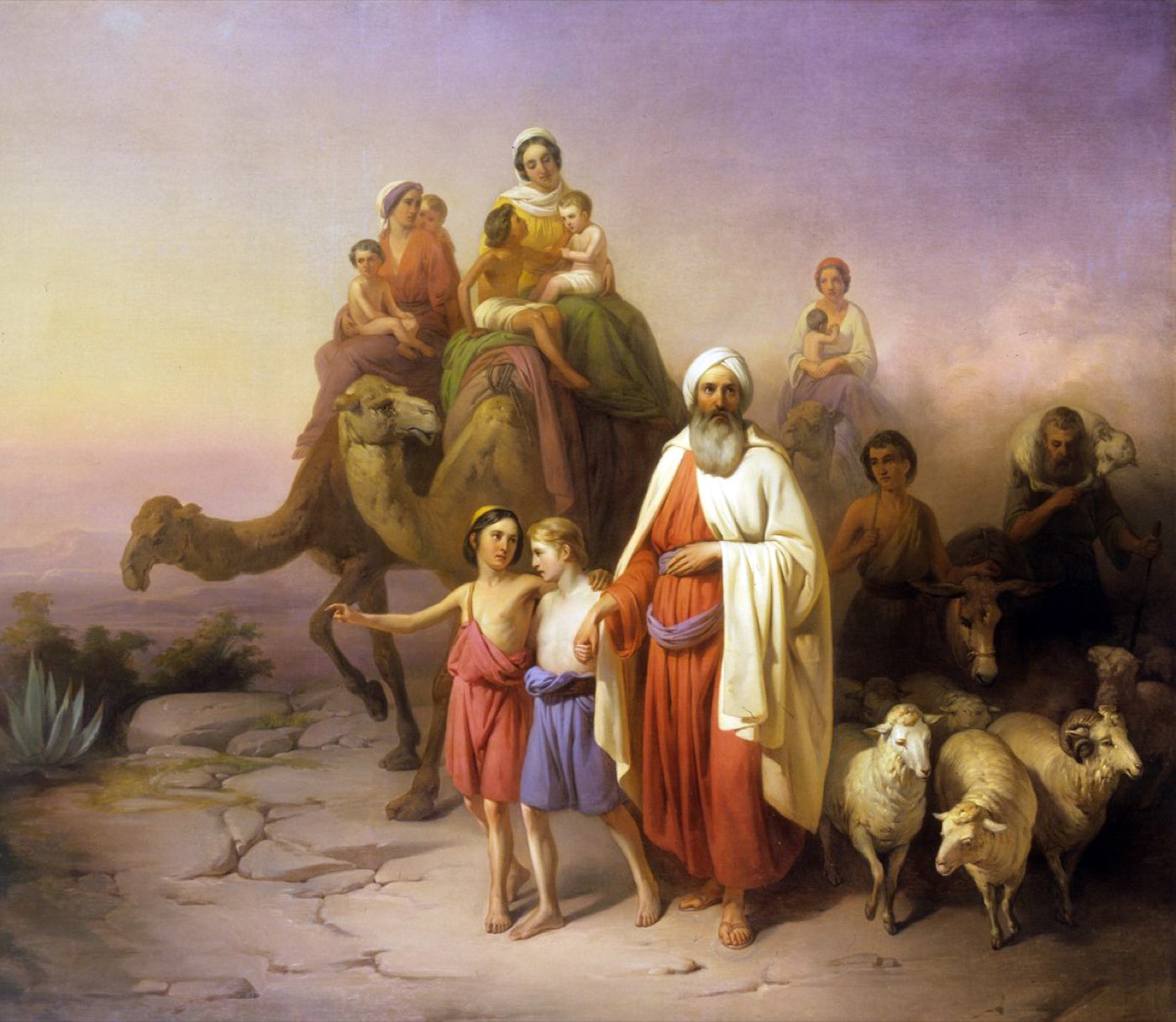
No Old Testament figure matters more to the New. Abraham left Ur on a promise – land, offspring, and blessing for “all the families of the earth” (Genesis 12:1-3) – and one sentence about him became the hinge of Paul’s gospel: “Abraham believed God, and it was counted to him as righteousness” (Genesis 15:6). Crucially, Paul observes, that verdict landed before circumcision, before Sinai, before any law existed to keep: righteousness by faith is therefore the older covenant arrangement, and Abraham “the father of all who believe,” Gentiles included (Romans 4; Galatians 3:6-9).
The New Testament reads his whole biography as faith’s anatomy. Hebrews walks it stage by stage: obeying “not knowing where he was going,” living in tents while “looking forward to the city that has foundations,” and – with Sarah, who “considered him faithful who had promised” despite her own famous laughter – receiving Isaac from bodies “as good as dead,” then offering him back, reasoning “that God was able even to raise him from the dead” (Hebrews 11:8-19). James completes the portrait from the works side: the faith that was counted righteous in Genesis 15 was seen alive on Moriah in Genesis 22 (James 2:21-23).
Jesus claimed the patriarch as a witness to himself – “Abraham rejoiced that he would see my day. He saw it and was glad” – and answered the ensuing scoffing with the thunderclap: “before Abraham was, I am” (John 8:56-58). The man who left everything on a promise turns out to have been traveling, all along, toward this study’s subject.
In the New Testament
- Father of all who believe (Romans 4; Galatians 3)
- Faith’s biography, with Sarah (Hebrews 11:8-19)
- Faith completed by works (James 2:21-23)
- “Before Abraham was, I am” (John 8:31-58)
- The Hagar-Sarah allegory (Galatians 4:21-31)