
Tyre and Sidon
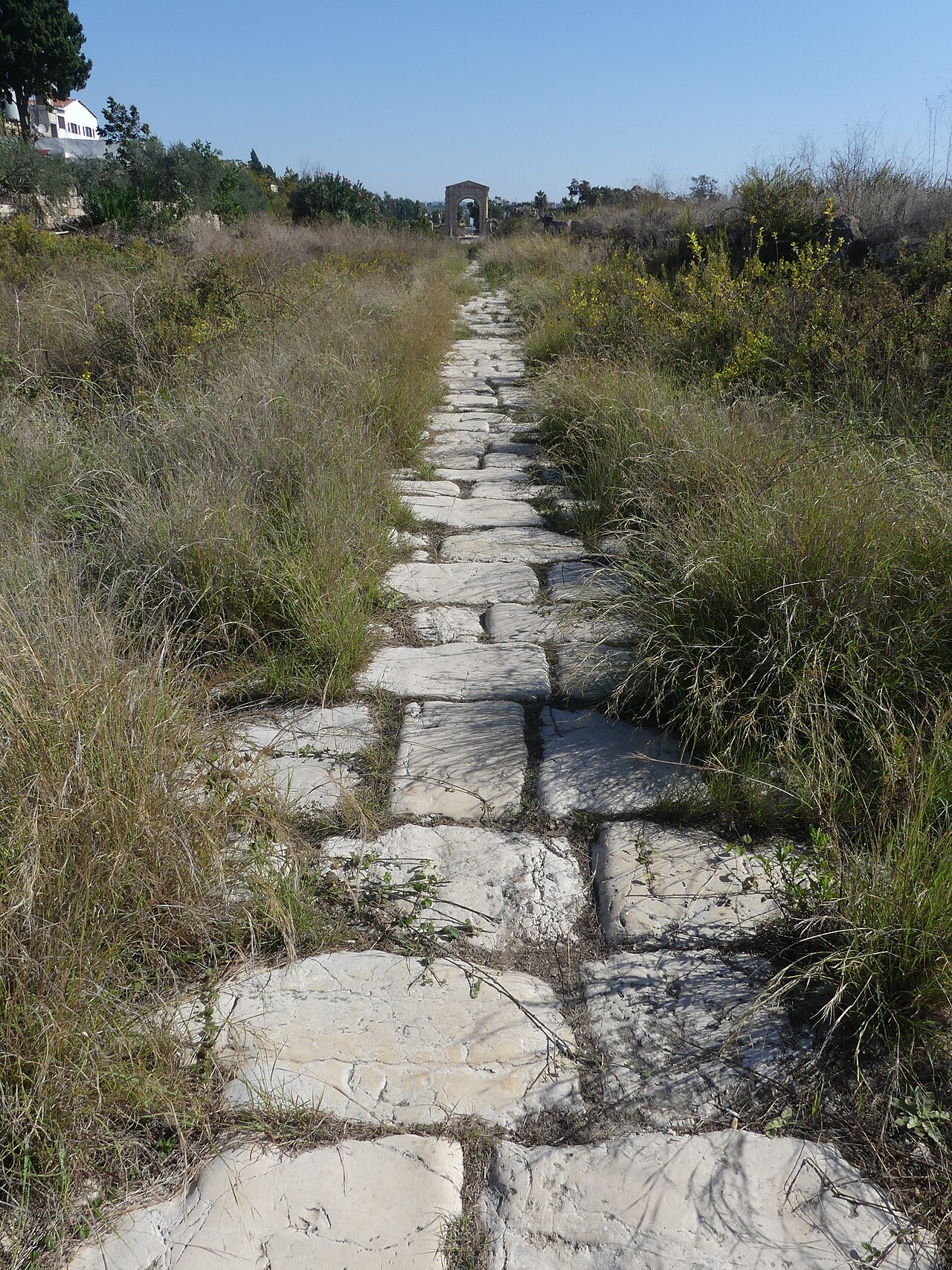
Tyre and Sidon were the great harbor cities of ancient Phoenicia, on the coast northwest of Galilee – old, wealthy, pagan, and famous enough that the Old Testament prophets used them as bywords for proud commerce under judgment (Isaiah 23; Ezekiel 26-28). By Jesus’ day they were Hellenized Gentile cities, yet close enough that their people came south to hear him teach (Mark 3:8; Luke 6:17).
Jesus made one recorded journey into their region, and it produced one of the most striking conversations in the Gospels. A Syrophoenician woman – Gentile, pagan by heritage, with a demon-possessed daughter – begged for help, absorbed the hard saying about the children’s bread and the dogs, and answered with a faith so quick and humble that Jesus said, “O woman, great is your faith! Be it done for you as you desire” (Matthew 15:21-28; Mark 7:24-30). And it was Tyre and Sidon that Jesus held up against Chorazin and Bethsaida: these pagan cities would have repented if they had seen such works (Matthew 11:21-22).
The cities appear again in Acts: Jesus’ followers in Tyre knelt on the beach to pray with Paul, and Paul was allowed ashore at Sidon to see friends on his voyage to Rome (Acts 21:3-6; 27:3).
In the New Testament
- Crowds from Tyre and Sidon come to Jesus (Mark 3:8; Luke 6:17)
- The Syrophoenician woman’s faith (Matthew 15:21-28; Mark 7:24-31)
- Compared favorably to unrepentant Galilee (Matthew 11:21-22)
- Disciples at Tyre and Sidon during Paul’s journeys (Acts 21:3-6; 27:3)