
Thessalonica
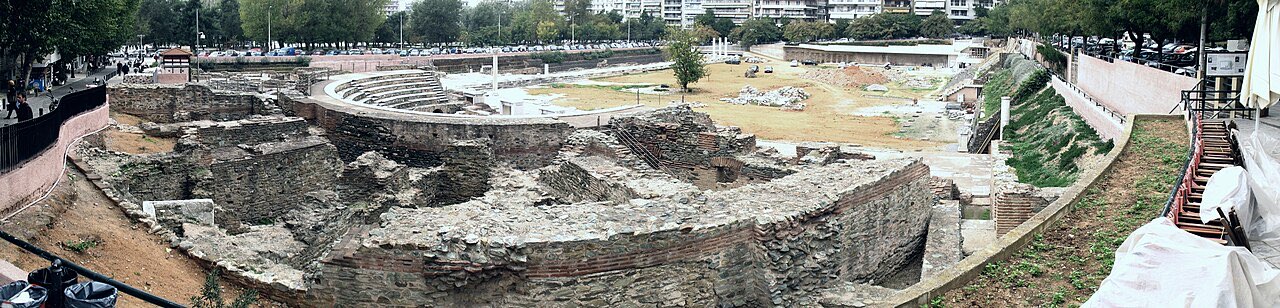
Thessalonica was the capital of Roman Macedonia and its great port – a free city on the Via Egnatia with its own magistrates (Luke precisely calls them “politarchs,” a title inscriptions have confirmed). Paul arrived from Philippi still bruised, and for three Sabbaths reasoned in the synagogue “explaining and proving that it was necessary for the Christ to suffer and to rise from the dead” (Acts 17:1-3).
Some Jews, “a great many of the devout Greeks,” and not a few leading women believed – and the backlash was swift. A mob dragged Jason before the politarchs with a charge that was almost a compliment: “These men who have turned the world upside down have come here also… acting against the decrees of Caesar, saying that there is another king, Jesus” (Acts 17:6-7). The brothers smuggled Paul out by night, and he spent the next months aching over the infant church he had been forced to abandon.
The two letters he sent back – likely his earliest surviving writings – glow with relief and affection: their faith had not only survived but “sounded forth” through Greece (1 Thessalonians 1:8). To a church born in weeks and left under fire, Paul wrote the New Testament’s most concentrated teaching on the Lord’s return: the dead in Christ will rise, “and so we will always be with the Lord… therefore encourage one another with these words” (1 Thessalonians 4:13-18).
In the New Testament
- The mission and the riot (Acts 17:1-10)
- Paul’s anxious love and Timothy’s good report (1 Thessalonians 2-3)
- The hope of the Lord’s coming (1 Thessalonians 4:13-5:11; 2 Thessalonians 2)
- Aristarchus and Secundus of Thessalonica among Paul’s companions (Acts 20:4; 27:2)