
Samaria / Sychar
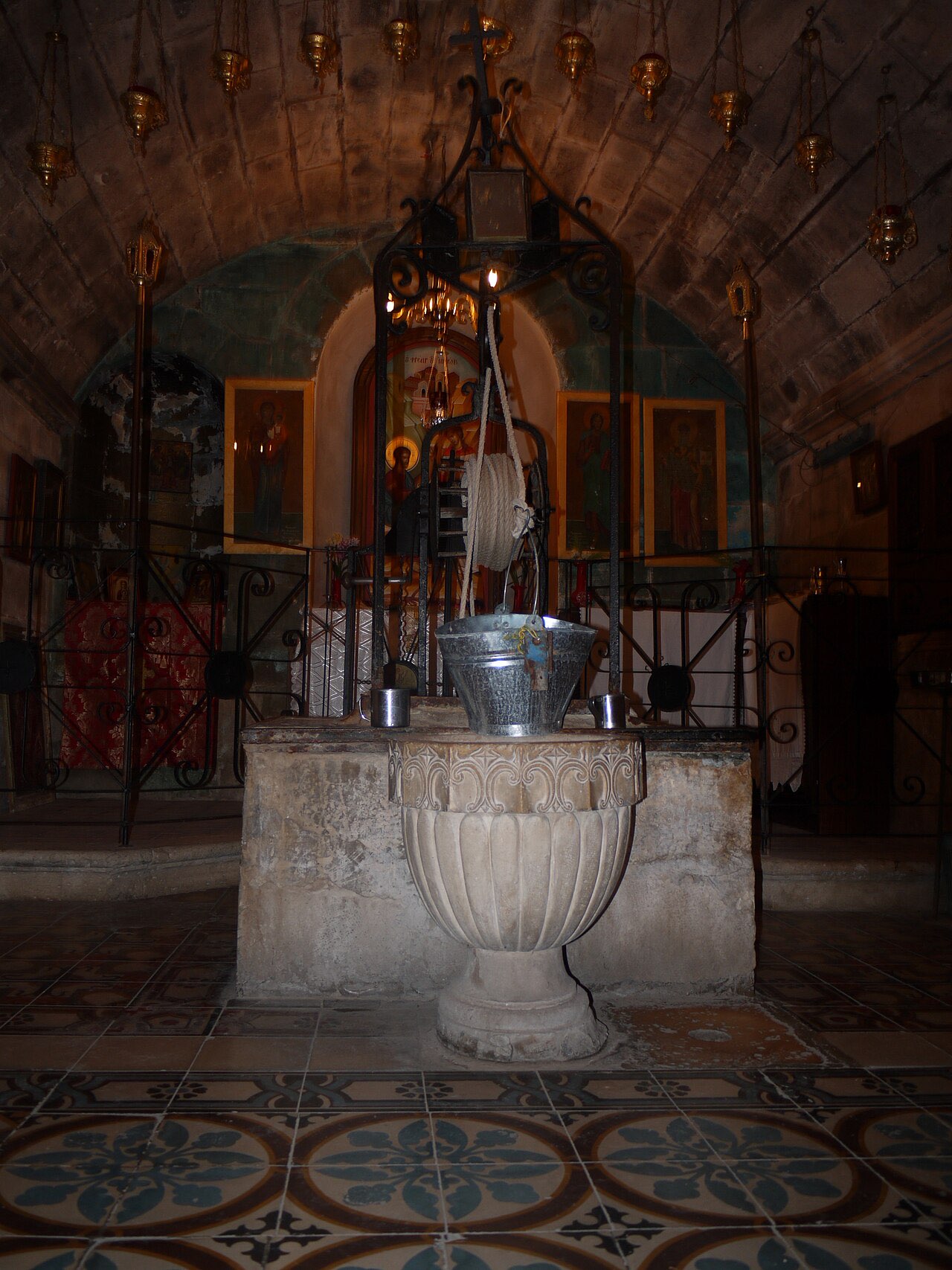
Samaria was the hill country between Judea and Galilee, and the shortest road north ran straight through it – yet many Jews took the long way around. The estrangement went back centuries: after Assyria deported the northern tribes in 722 BC, the region was resettled with mixed peoples (2 Kings 17), and the Samaritans who emerged kept their own version of the Torah and their own holy mountain, Gerizim, rejecting Jerusalem’s temple. By Jesus’ day, “Jews have no dealings with Samaritans” (John 4:9) was simple fact.
John 4 places Jesus, tired from the journey, sitting on the curb of Jacob’s well outside the town of Sychar, near the plot of ground Jacob gave to Joseph (Genesis 33:19; Joshua 24:32). A Samaritan woman came at noon to draw water, and the conversation that followed is the longest recorded dialogue Jesus has with anyone: living water, five husbands, the right mountain for worship, and finally the plainest self-disclosure in the Gospels – “I who speak to you am he” (John 4:26). She left her water jar, the town came out to see, and many Samaritans confessed him “the Savior of the world.”
The well itself is one of the most secure sites in the Holy Land – wells do not move – and it still gives cold, fresh water in the crypt of the church that now covers it.
In the New Testament
- Jesus and the Samaritan woman at the well (John 4:1-42)
- The gospel later comes to Samaria through Philip, Peter, and John (Acts 8:4-25)
- “You will be my witnesses in Jerusalem and in all Judea and Samaria…” (Acts 1:8)