
Spain
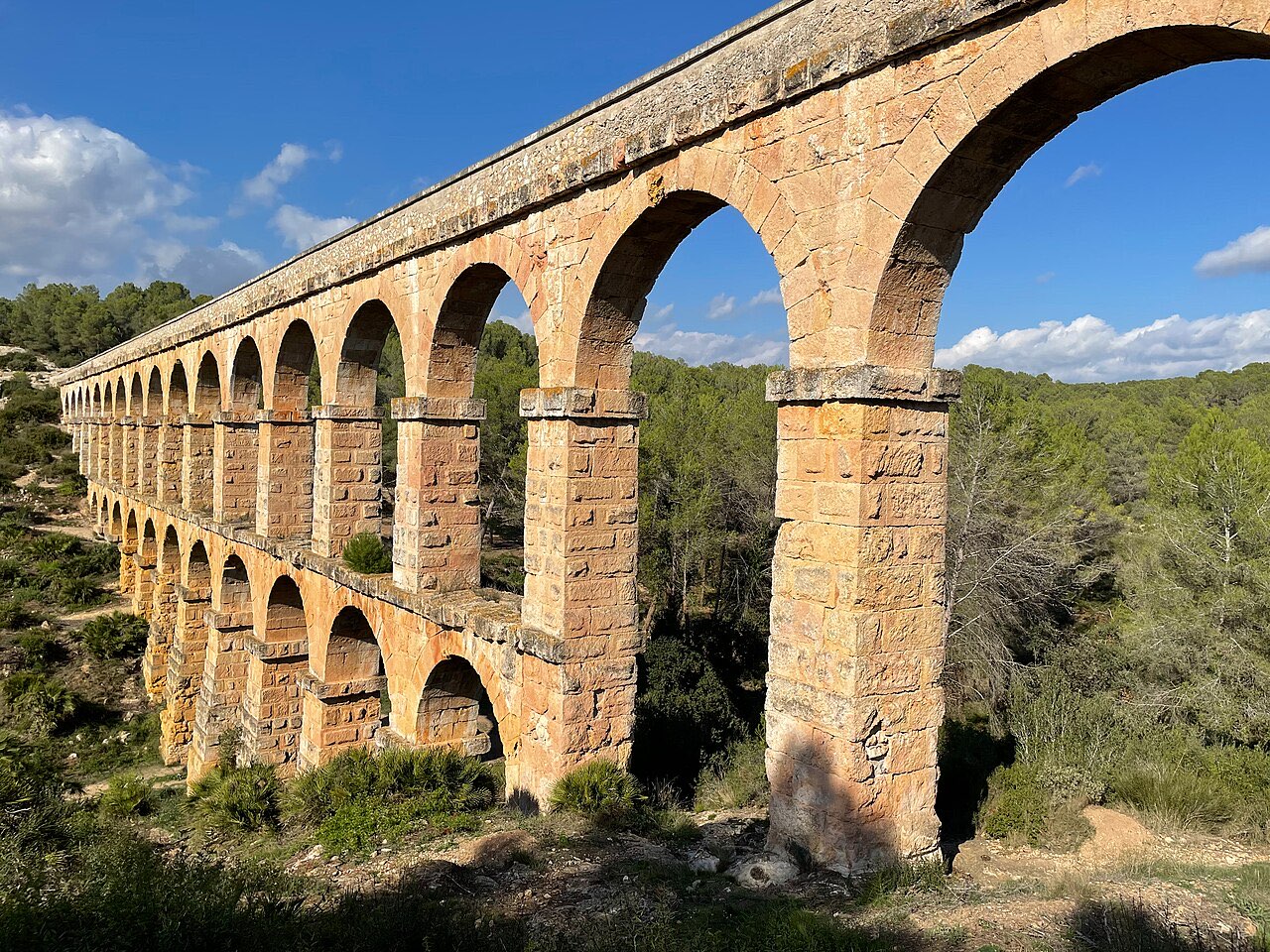
Spain was the far end of the Roman world – Hispania, rich in silver and olive oil, thoroughly Roman in its coastal cities, and about as far from Jerusalem as the map of the empire ran. That is exactly why Paul wanted it. His stated ambition was “to preach the gospel, not where Christ has already been named” (Romans 15:20), and by the late 50s he could astonishingly claim that “from Jerusalem and all the way around to Illyricum I have fulfilled the ministry of the gospel” – so, he told the Romans, “I will go on by way of you to Spain” (Romans 15:23-28). Rome was never meant to be his destination; it was his staging post.
Did he make it? The New Testament does not say – Acts ends with the house arrest, and the pastoral letters point to renewed travels in the East. But Clement of Rome, writing within a generation, says Paul reached “the limits of the West,” and later tradition took that to mean Spain. The blank is oddly fitting: the apostle’s story ends the way he lived, mid-journey, with the horizon still open.
For this study, Spain stands as the emblem of the gospel’s built-in momentum. A message announced at Jerusalem’s Pentecost was, within thirty years, being planned for the Atlantic edge of the world – “to the end of the earth” (Acts 1:8) was an itinerary, not a metaphor.
In the New Testament
- “I will go on by way of you to Spain” (Romans 15:22-29)
- The unreached-regions ambition behind it (Romans 15:18-21)
- The commission that framed it (Acts 1:8)