
Pisidian Antioch
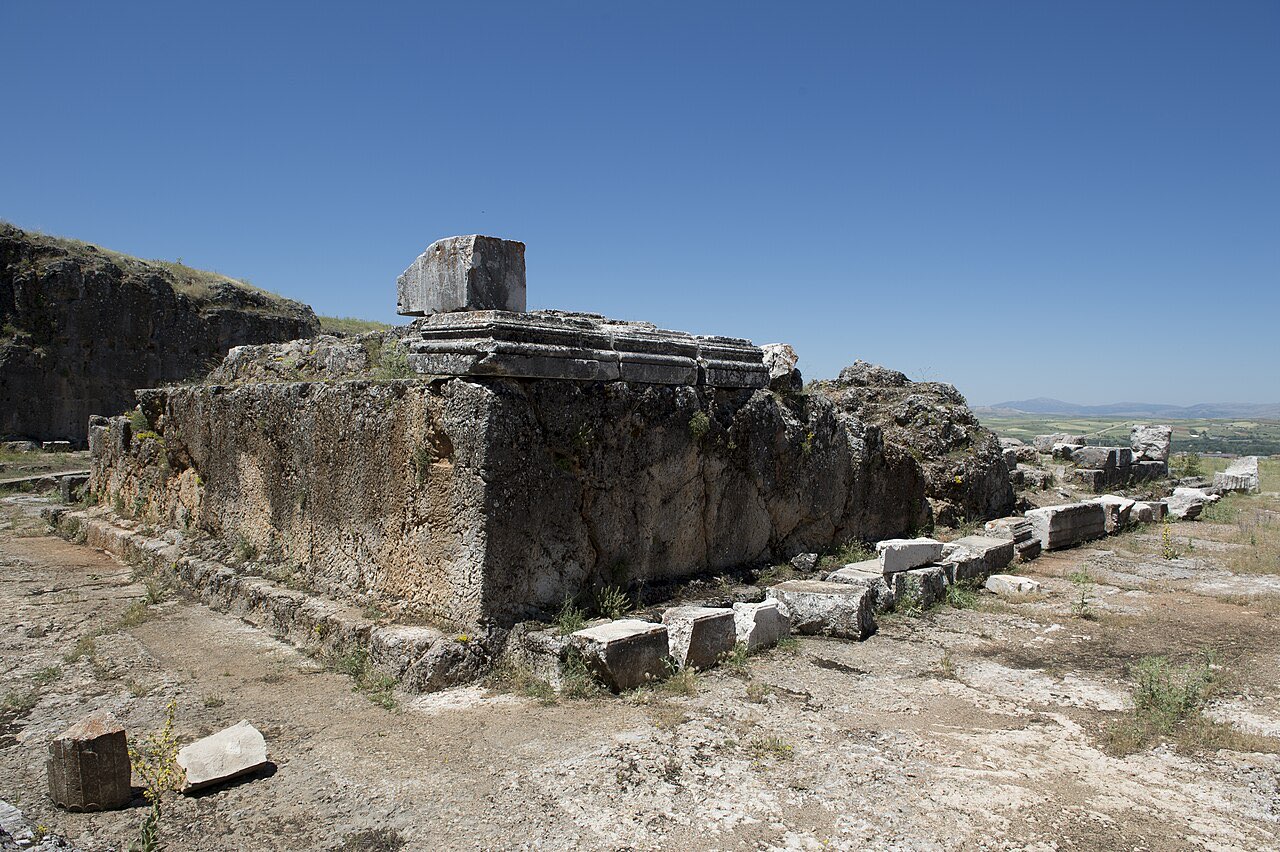
There were sixteen Antiochs in the ancient world, all named for the Seleucid kings; this one, “Antioch toward Pisidia,” sat 3,600 feet up on the Anatolian plateau, a Roman colony full of army veterans and the hub of the region’s roads. Paul and Barnabas climbed to it from the malarial coast of Pamphylia – the hard road on which John Mark turned back (Acts 13:13-14).
In its synagogue Paul stood up and delivered the first of his sermons that Luke records in full (Acts 13:16-41): Israel’s story from the exodus to David, then the leap – “of this man’s offspring God has brought to Israel a Savior, Jesus, as he promised.” Forgiveness of sins and justification “from everything from which you could not be freed by the law of Moses,” offered to “everyone who believes.” The next Sabbath “almost the whole city” turned out; jealousy did its work, and Paul spoke the sentence that set the course of his life: “since you thrust it aside… behold, we are turning to the Gentiles” (Acts 13:44-48).
Driven out by the city’s elite, they shook the dust off their feet – yet left behind disciples “filled with joy and with the Holy Spirit” (Acts 13:52). Pisidian Antioch was one of the Galatian churches that later received Paul’s most fiery letter, and its excavated streets, temple terrace, and church ruins can be walked near modern Yalvaç.
In the New Testament
- Paul’s synagogue sermon (Acts 13:13-43)
- “We are turning to the Gentiles” (Acts 13:44-52)
- Return visit to strengthen the disciples (Acts 14:21-23)
- Persecutions at Antioch remembered (2 Timothy 3:11)