
The Olive Tree
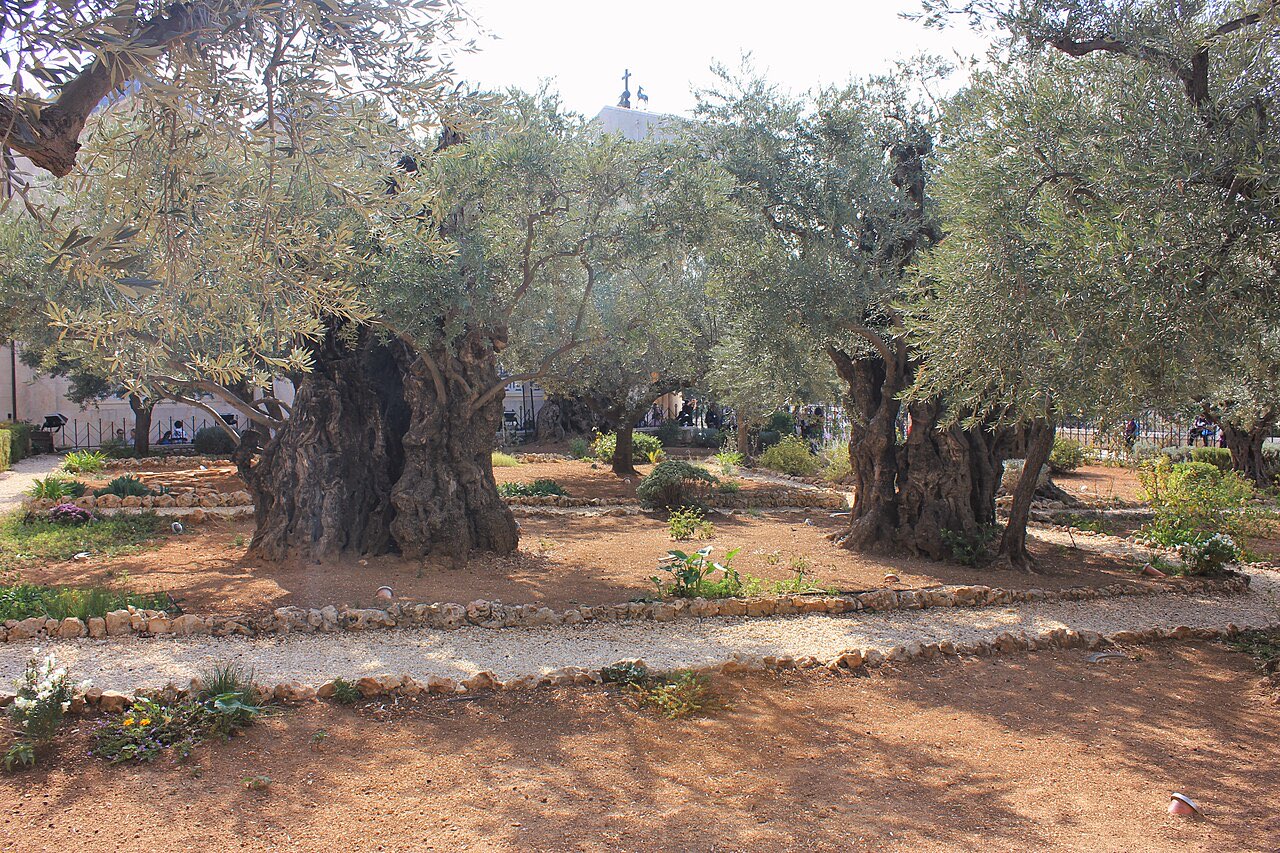
The olive is the survivor of Mediterranean trees: slow, gnarled, nearly impossible to kill, still fruiting from rootstock centuries old. Farmers renew tired trees by grafting fresh shoots into the old root – normally cultivated shoots into wild stock. In Romans 11 Paul turns the procedure backward on purpose, “contrary to nature”: wild branches grafted into the cultivated tree.
The tree is Israel – the people of God rooted in the patriarchs and the promises. Some natural branches were broken off through unbelief; wild-olive Gentiles have been grafted in among the rest and now “share in the nourishing root” (Romans 11:17). Paul draws two morals with equal force. To the grafted branch: no arrogance – “it is not you who support the root, but the root that supports you”; stand in awe, for the Gardener who did not spare natural branches can prune presumption too (Romans 11:18-22). And about the broken branches: hope – “God has the power to graft them in again,” and the chapter climbs from there to “all Israel will be saved” and doxology (Romans 11:23-36).
One tree, one root, one story: the image quietly rules out both a church severed from Israel’s Scriptures and any boast of one branch over another. The photograph above is real botany standing for real theology – the old roots at Gethsemane are still feeding new growth.
In the New Testament
- The olive tree allegory (Romans 11:11-32)
- The root of the patriarchs and promises (Romans 9:4-5; 11:28-29)
- Kindred images: the vine and branches (John 15:1-8); Abraham’s offspring by faith (Galatians 3:7-9, 29)