
Jericho
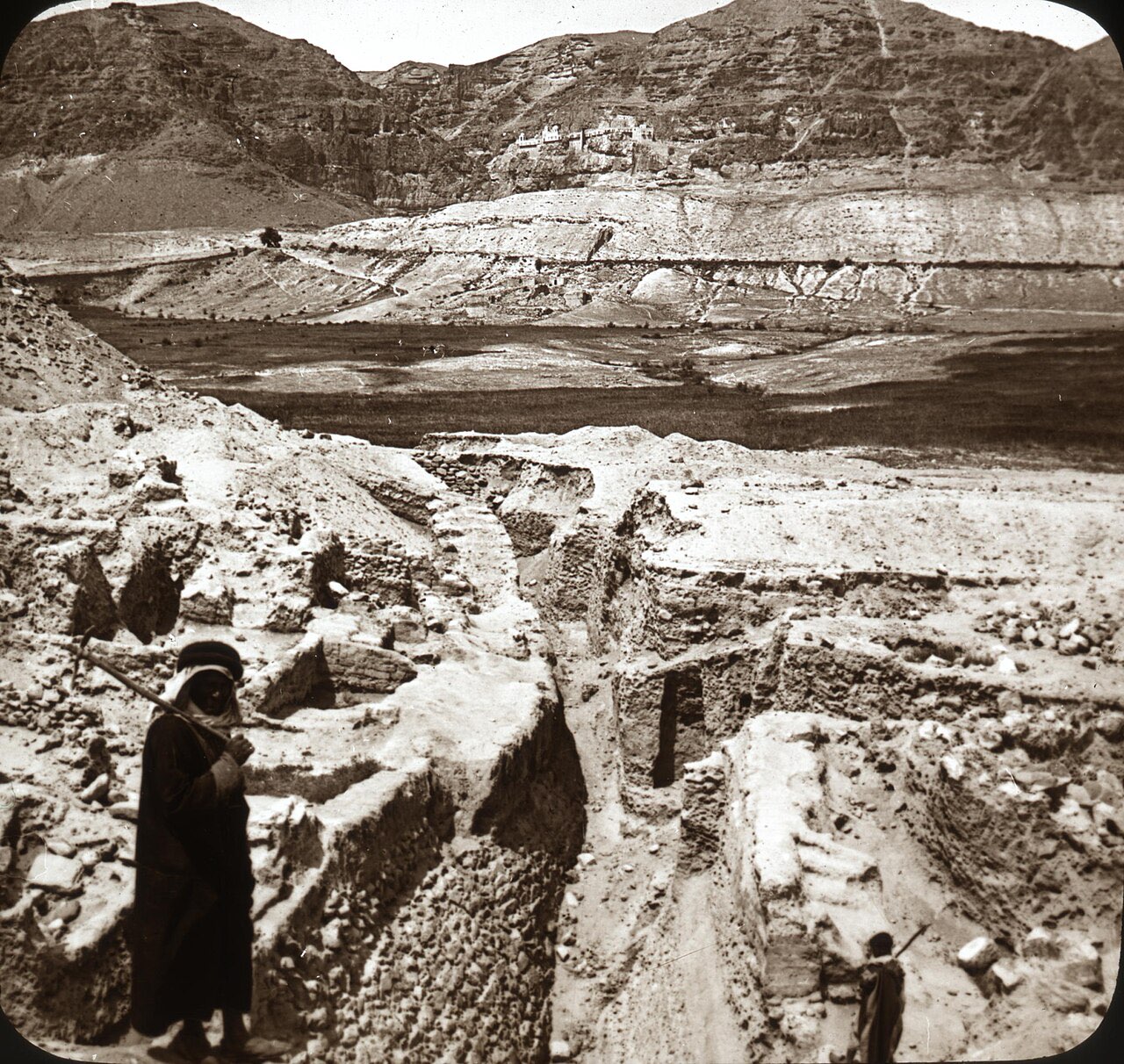
Jericho is a spring-fed oasis on the floor of the Jordan valley, nearly 850 feet below sea level – by many reckonings the oldest and lowest city on earth. Israel’s story in the land began here when the walls fell before Joshua (Joshua 6). By Jesus’ day there were two Jerichos side by side: the ancient mound and, a little south, the lavish winter-palace city Herod built, with a customs post taxing the balsam trade – which explains why a chief tax collector lived here and was rich (Luke 19:1-2).
Jesus passed through on his last journey to Jerusalem, and Jericho gave him two encounters the church never forgot. At the roadside, blind Bartimaeus shouted down the crowd – “Jesus, Son of David, have mercy on me!” – and received his sight (Mark 10:46-52). In town, Zacchaeus climbed a sycamore for a look and got a guest instead: “Zacchaeus, hurry and come down, for I must stay at your house today.” Salvation came to the tax collector’s house, and Jesus stated his mission in a sentence: “the Son of Man came to seek and to save the lost” (Luke 19:1-10).
From Jericho the road climbs 3,400 feet in fifteen miles to Jerusalem – the dangerous ascent of the Good Samaritan parable, and the road Jesus took to die.
In the New Testament
- Blind Bartimaeus healed (Mark 10:46-52; Luke 18:35-43)
- Zacchaeus (Luke 19:1-10)
- The parable of the ten minas, told near Jericho (Luke 19:11-27)
- The Jerusalem-Jericho road in the Good Samaritan (Luke 10:30)