
Iconium
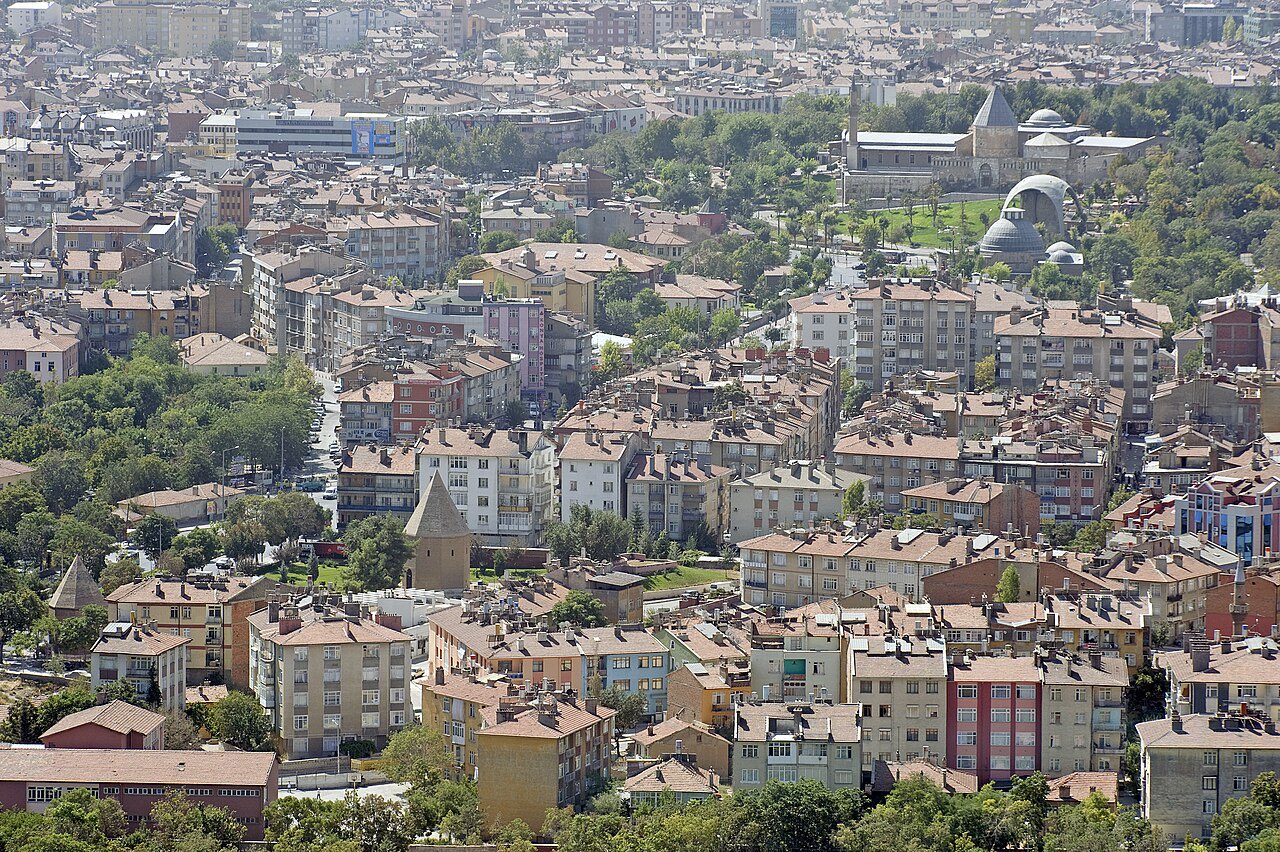
Iconium was an old city on the edge of the Lycaonian plain – well-watered, prosperous, and planted at the junction of the roads crossing central Asia Minor. Driven from Pisidian Antioch, Paul and Barnabas walked the ninety miles of the Via Sebaste southeast to it and went, as always, straight to the synagogue.
Luke’s summary is a study in mixed results: they “spoke in such a way that a great number of both Jews and Greeks believed,” while the unpersuaded “stirred up the Gentiles and poisoned their minds against the brothers.” So they stayed “a long time, speaking boldly for the Lord, who bore witness to the word of his grace, granting signs and wonders” – until the city split down the middle and a plot to stone them sent them on to Lystra (Acts 14:1-7). Persistence in the face of division, leaving behind a church: Iconium is the pattern of the whole mission in one town.
Its converts were real and durable – the believers at Lystra and Iconium commended young Timothy to Paul a few years later (Acts 16:2). The city has never died; it is modern Konya, one of Turkey’s major cities, with the mound of ancient Iconium rising as a green hill at its center.
In the New Testament
- The mission at Iconium (Acts 14:1-7)
- Return visit appointing elders (Acts 14:21-23)
- Timothy’s good reputation there (Acts 16:1-2)
- Paul’s persecutions at Iconium remembered (2 Timothy 3:11)