
The Heavenly Tabernacle
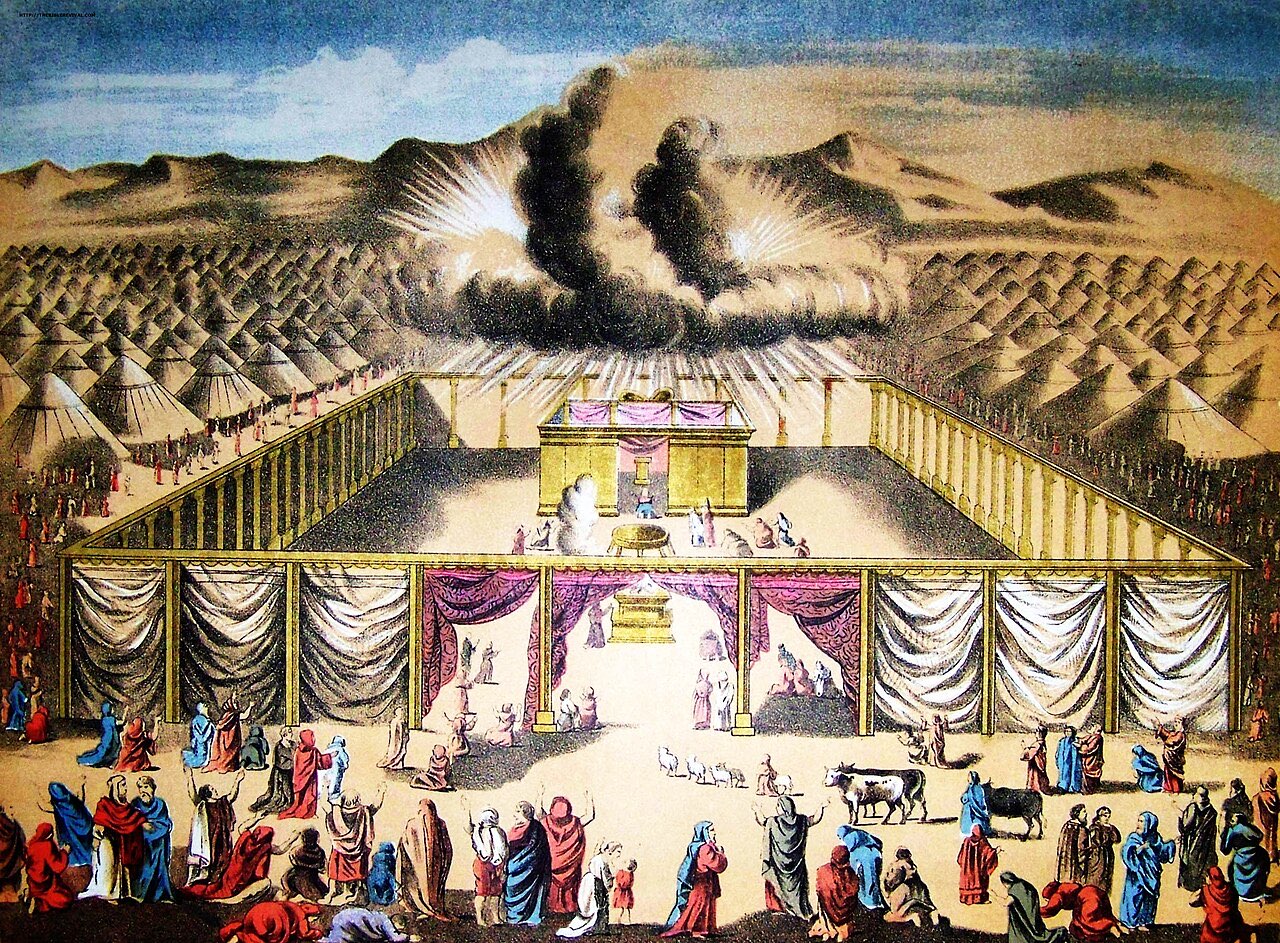
When Moses built the tabernacle he worked from a blueprint he had been shown: “See that you make everything according to the pattern that was shown you on the mountain” (Exodus 25:40). Hebrews takes that verse with full seriousness. The tent in the wilderness – and the temple after it – was “a copy and shadow of the heavenly things” (Hebrews 8:5): a scale model, in goat hair and gold, of the true sanctuary where God actually dwells.
That is the stage for Hebrews’ central claim. Earthly high priests entered a man-made Most Holy Place once a year, with blood not their own, behind a veil that kept everyone else out. “But when Christ appeared as a high priest… he entered once for all into the holy places, not by means of the blood of goats and calves but by means of his own blood, thus securing an eternal redemption” (Hebrews 9:11-12). He passed not through curtains but “into heaven itself, now to appear in the presence of God on our behalf” (Hebrews 9:24), and he sits – a posture no tabernacle priest ever took, because their work was never done (Hebrews 10:11-14).
The pastoral payoff is an open door: since we have such a priest in such a sanctuary, “let us then with confidence draw near to the throne of grace” (Hebrews 4:16). The picture above shows the model; the letter’s whole argument is that believers now have access to the original.
In the New Testament
- The copy and the pattern (Hebrews 8:1-6)
- Christ’s entry into the true holy places (Hebrews 9:1-14, 23-28)
- The once-for-all sacrifice and the seated priest (Hebrews 10:1-18)
- The new and living way opened (Hebrews 4:14-16; 10:19-22)
- John’s visions of the heavenly sanctuary (Revelation 11:19; 15:5-8)