
Galatia
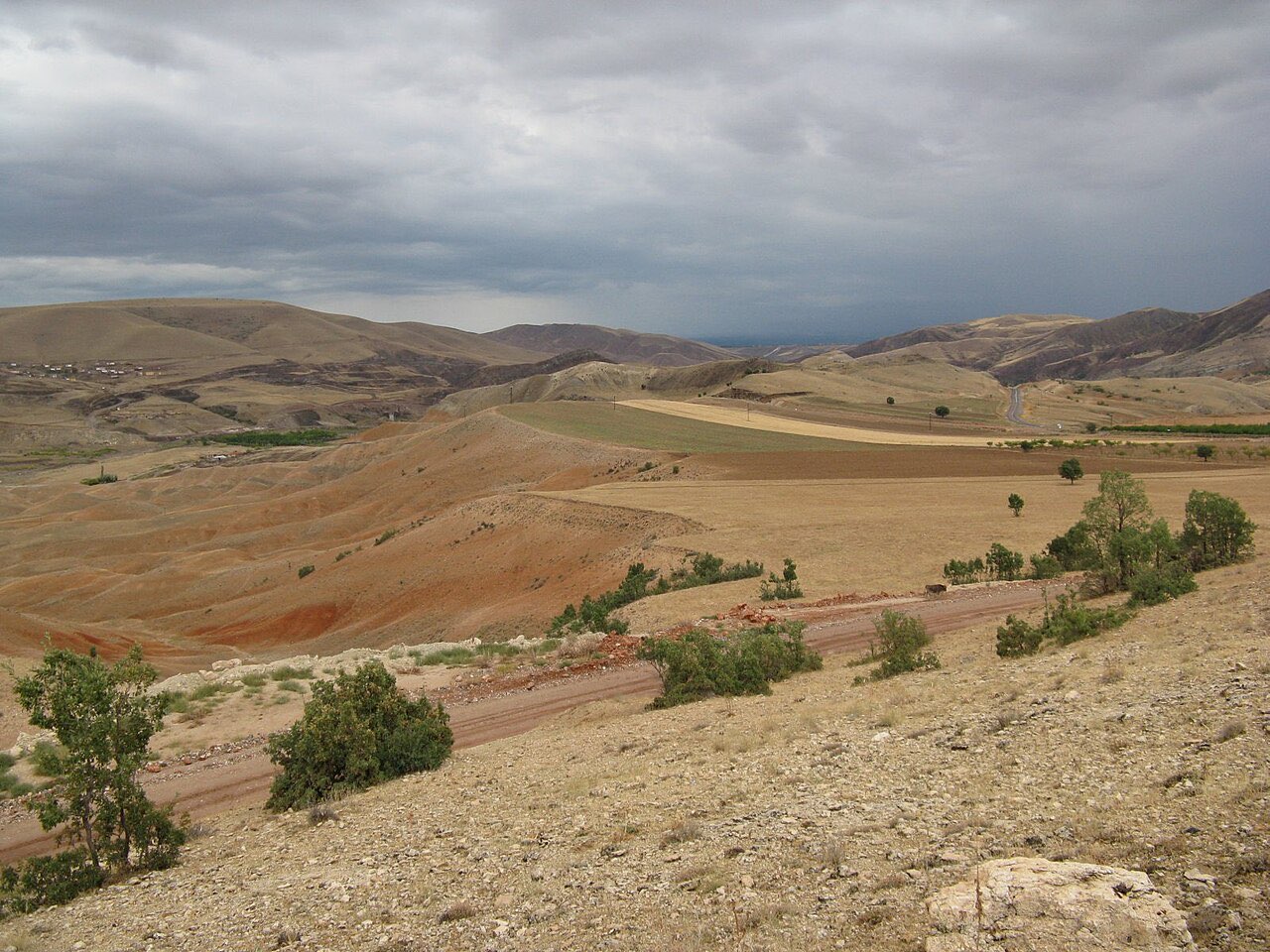
Galatia takes its name from Gauls – Celtic tribes who crossed into Asia Minor in the third century BC and settled the high plateau around Ancyra (modern Ankara). Rome folded their territory, plus a swath of the south including Pisidia and Lycaonia, into one large province of Galatia. So “the churches of Galatia” (Galatians 1:2) most naturally means the congregations of the first missionary journey – Pisidian Antioch, Iconium, Lystra, and Derbe – planted at such cost in Acts 13-14.
Paul’s letter to them is the angriest and most urgent thing he ever wrote: no thanksgiving, straight to “I am astonished that you are so quickly deserting him who called you” (Galatians 1:6). Teachers had arrived insisting that Gentile converts be circumcised and keep the law. Paul saw the gospel itself at stake, and answered with his own story, the showdown at Antioch, Abraham’s faith, the allegory of Sinai and the Jerusalem above, and the letter’s beating heart: “For freedom Christ has set us free” (Galatians 5:1).
He crossed the region again on the second and third journeys, “strengthening all the disciples” (Acts 16:6; 18:23), and Peter later wrote to believers there too (1 Peter 1:1). The plateau’s scattered farm towns and long horizons were the seedbed of the doctrine of justification by faith.
In the New Testament
- The churches planted in Acts 13-14
- The letter to the Galatians
- Later passes through the region (Acts 16:6; 18:23)
- Among the provinces addressed by Peter (1 Peter 1:1)