
Ephraim
After the raising of Lazarus, the Sanhedrin stopped debating and started planning: “from that day on they made plans to put him to death” (John 11:53). Jesus’ response was not flight from the cross but control of its timing. “Jesus therefore no longer walked openly among the Jews, but went from there to the region near the wilderness, to a town called Ephraim, and there he stayed with the disciples” (John 11:54).
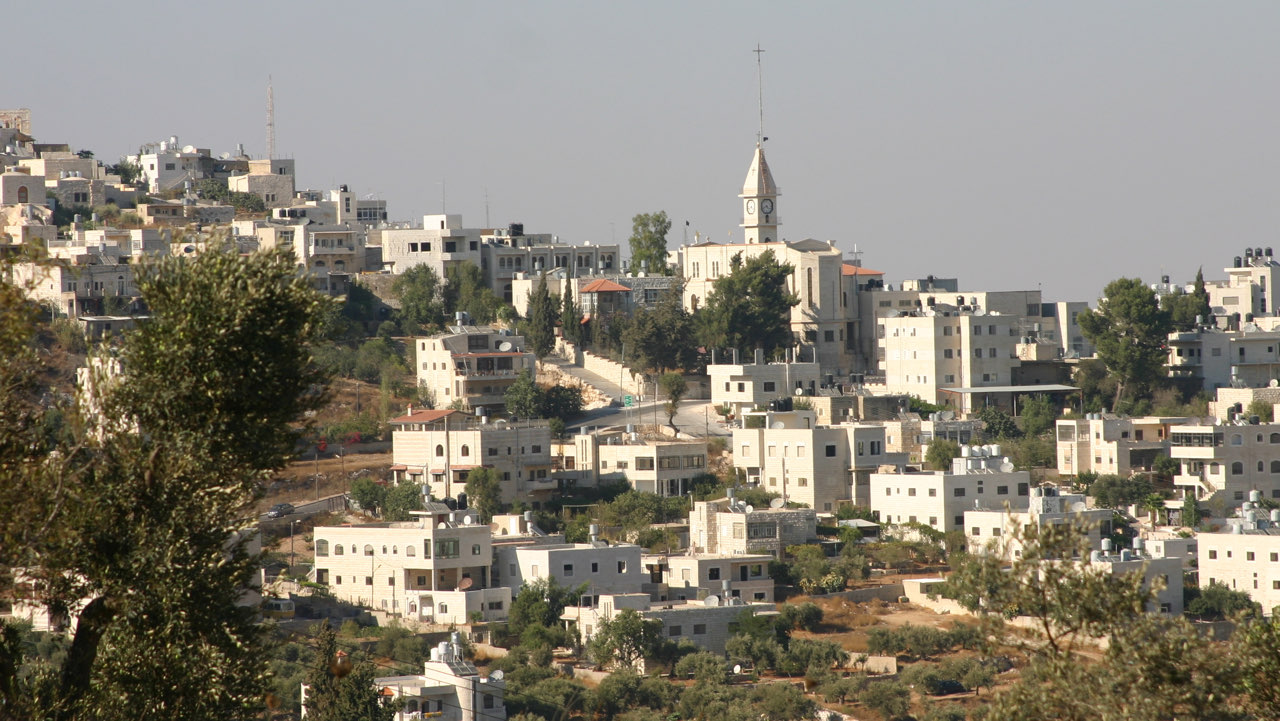
Ephraim is usually identified with the village of et-Taiyibeh (Taybeh), about twelve miles northeast of Jerusalem on a high ridge where the cultivated hills break down toward the Judean wilderness – a place with sight lines in every direction and empty country at its back. There Jesus waited with his disciples through the tense weeks before his final Passover, until the hour was his Father’s and not the council’s.
Today Taybeh is the last entirely Christian town in the West Bank, still keeping the faith on the ridge where Jesus once waited.
In the New Testament
- Jesus withdraws to Ephraim before the final Passover (John 11:54-57)