
The Road to Emmaus
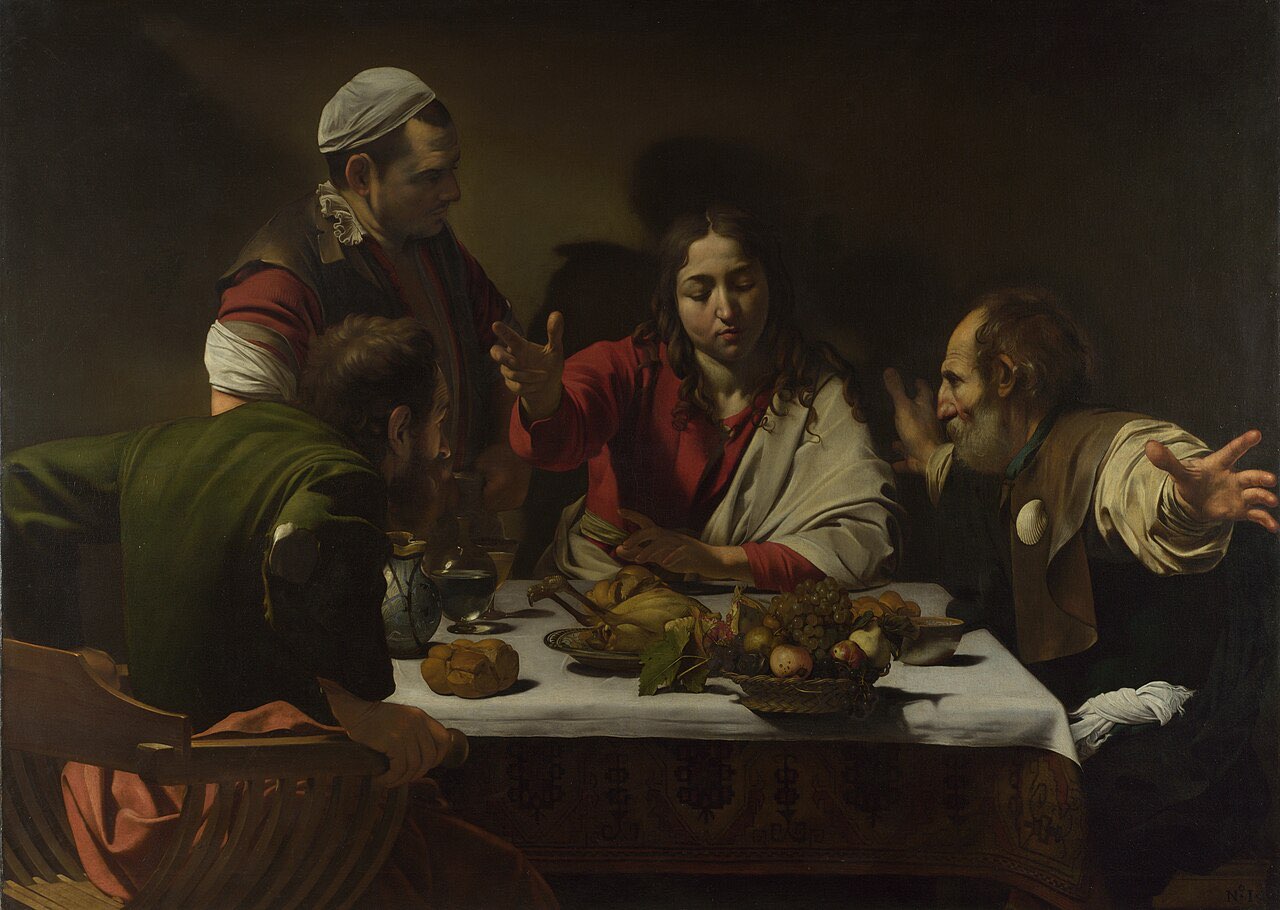
On resurrection afternoon two disciples walked from Jerusalem to Emmaus, “about seven miles” out (Luke 24:13). The village’s exact site is one of the Holy Land’s oldest puzzles – Emmaus Nicopolis, el-Qubeibeh, and Abu Ghosh all have their advocates – but the road itself is the story’s real setting, and the direction matters: they were walking away, out of the city where their hope had died on a cross.
A stranger joined them and asked what they were discussing. What follows is the Bible study every reader wishes had been transcribed: “beginning with Moses and all the Prophets, he interpreted to them in all the Scriptures the things concerning himself” (Luke 24:27). Their hearts burned; their eyes stayed closed – until, at table, the guest became the host, took the bread, blessed and broke it, “and their eyes were opened, and they recognized him. And he vanished from their sight.”
They got up that same hour and walked the seven miles back in the dark, because news like that cannot wait for morning (Luke 24:33-35).
In the New Testament
- The road to Emmaus (Luke 24:13-35)
- Christ in all the Scriptures (Luke 24:27, 44-47)