
The Diaspora
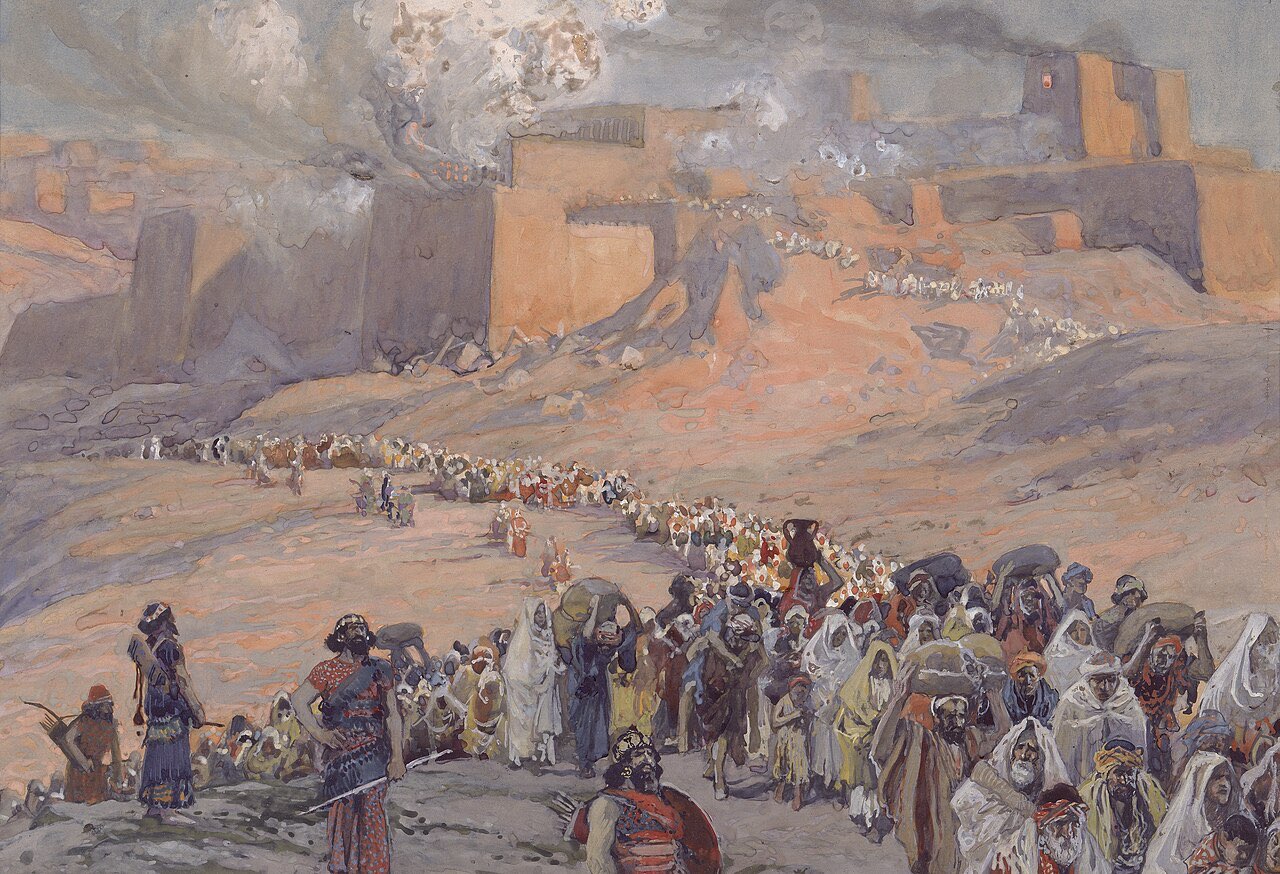
The Diaspora (“dispersion,” Hebrew galut) is not a place on a map but a people spread across every map. It began with the deportations to Assyria and Babylon, and by the first century far more Jews lived outside the land than in it – great communities in Babylon, Alexandria, Antioch, Asia Minor, Greece, and Rome, each gathered around its synagogue and its Scriptures. The crowd at Pentecost was a roll call of that scattered world: “Parthians and Medes and Elamites… visitors from Rome” (Acts 2:9-11).
The New Testament turns the word into an address. James writes “to the twelve tribes in the Dispersion” (James 1:1), and Peter to the “elect exiles of the Dispersion” in the provinces of Asia Minor (1 Peter 1:1) – claiming exile language for Christians, who are now the scattered people whose citizenship lies elsewhere (Philippians 3:20). What Babylon meant for grief, the church discovered as strategy: every synagogue of the Dispersion became a landing place for the gospel, and Paul began in one in nearly every city he entered.
Because the Dispersion has no coordinates, this page carries no map – its territory is every road out of Jerusalem, and its story is that the scattering became the sowing.
In the New Testament
- The nations present at Pentecost (Acts 2:5-11)
- Letters addressed to the Dispersion (James 1:1; 1 Peter 1:1-2)
- The scattered church preaching as it goes (Acts 8:1-4; 11:19-21)
- Believers as sojourners and exiles (1 Peter 2:11; Philippians 3:20)