
Derbe
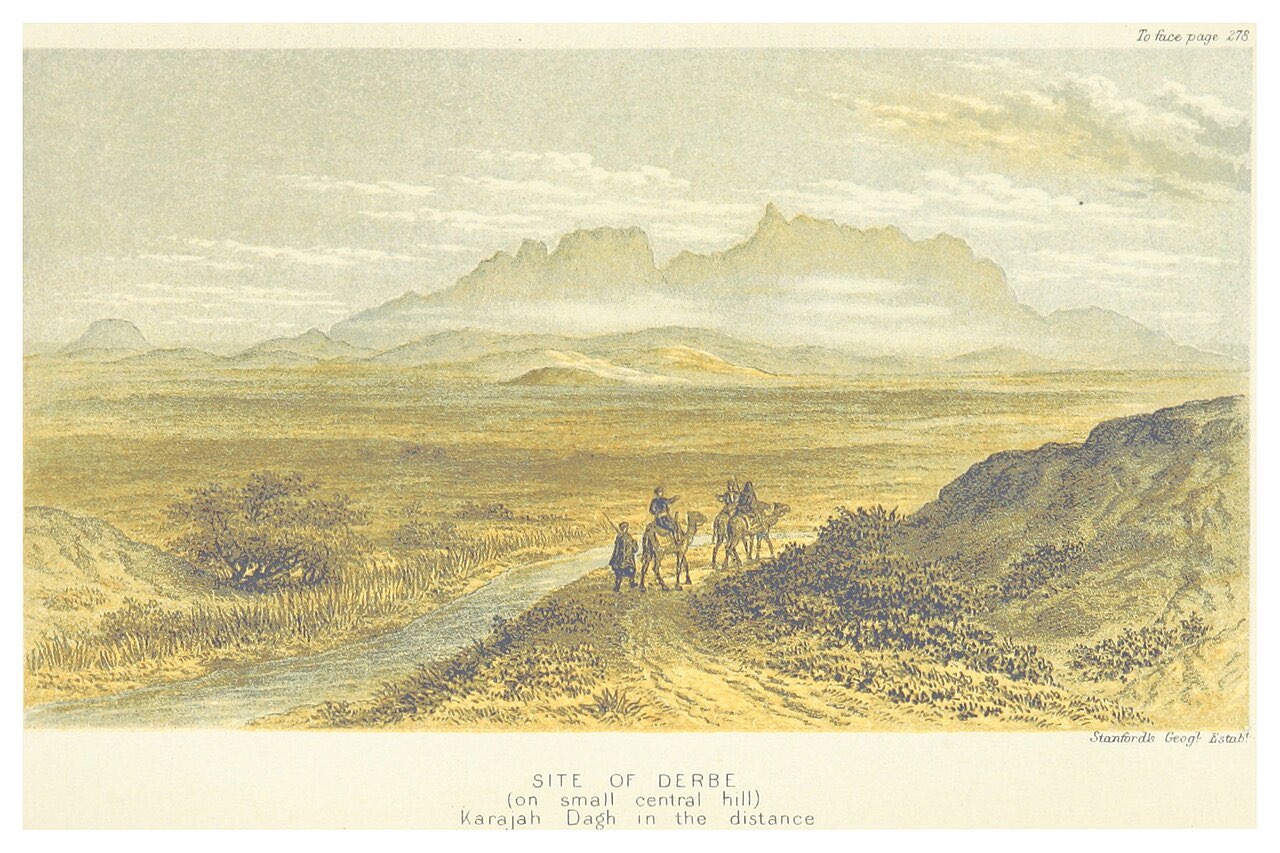
Derbe was the end of the line: a border town on the southeastern rim of the Lycaonian plain, the last stop of the first missionary journey before the Taurus passes. Paul arrived having been stoned at Lystra the day before – and Luke’s notice is almost comically serene: “when they had preached the gospel to that city and had made many disciples, they returned” (Acts 14:20-21). No riot, no stoning, no expulsion is recorded at Derbe; after Antioch, Iconium, and Lystra, it reads like a Sabbath rest.
The return itself is the remarkable part. From Derbe the shortest road home to Syrian Antioch ran east through the Cilician Gates – downhill, safe, direct. Instead Paul and Barnabas turned around and walked back through every city that had just thrown them out, “strengthening the souls of the disciples, encouraging them to continue in the faith, and saying that through many tribulations we must enter the kingdom of God,” appointing elders in every church (Acts 14:21-23). Derbe is where the mission stopped going forward so the churches could be made to last.
The town gave the team a member too: Gaius of Derbe traveled with Paul on the third journey (Acts 20:4). The site, identified by an inscription at Kerti Hüyük near modern Karaman, is still just a mound on the plain.
In the New Testament
- Many disciples made at Derbe (Acts 14:20-21)
- The courageous return through the hostile cities (Acts 14:21-23)
- Paul passes through again with Silas (Acts 16:1)
- Gaius of Derbe, Paul’s companion (Acts 20:4)