
Chorazin
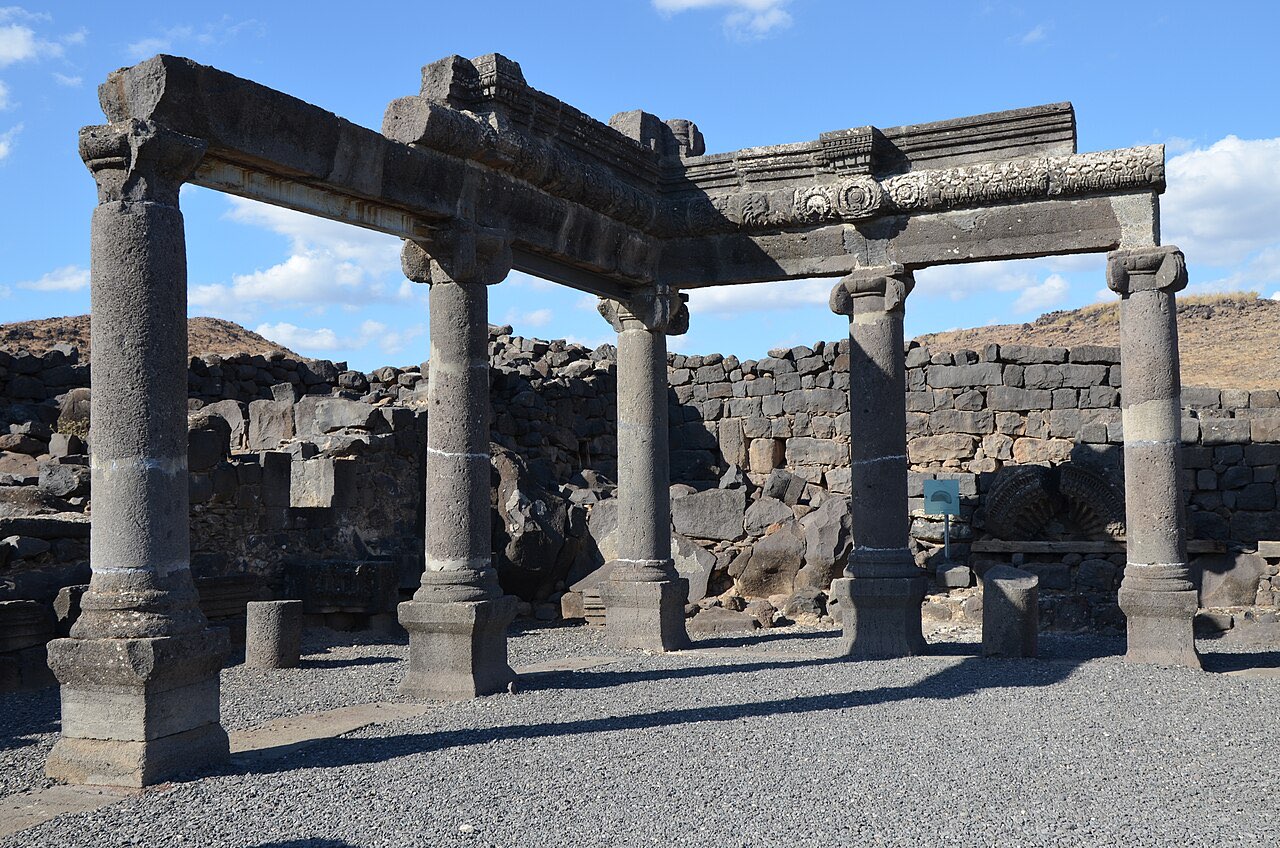
Chorazin sat in the basalt hills two and a half miles above Capernaum, built almost entirely of the local black volcanic stone. The Gospels never record a specific miracle done there – and that silence is exactly what makes the town’s one appearance so sobering. Jesus names Chorazin only to pronounce a woe over it: “Woe to you, Chorazin! Woe to you, Bethsaida! For if the mighty works done in you had been done in Tyre and Sidon, they would have repented long ago in sackcloth and ashes” (Matthew 11:21).
Evidently Jesus did mighty works here that no evangelist wrote down – John admits the world could not contain the books if everything were recorded (John 21:25). Chorazin saw enough to be judged by it. Its sin was not violence or scandal but the quietest and most common failure: unmoved familiarity. The people watched the works of God and went on with their lives.
The excavated town, with its striking basalt synagogue, can be visited today; it was ultimately abandoned, and the woe stands written over its ruins.
In the New Testament
- The woe over Chorazin and Bethsaida (Matthew 11:20-24; Luke 10:13-15)