
Cana of Galilee
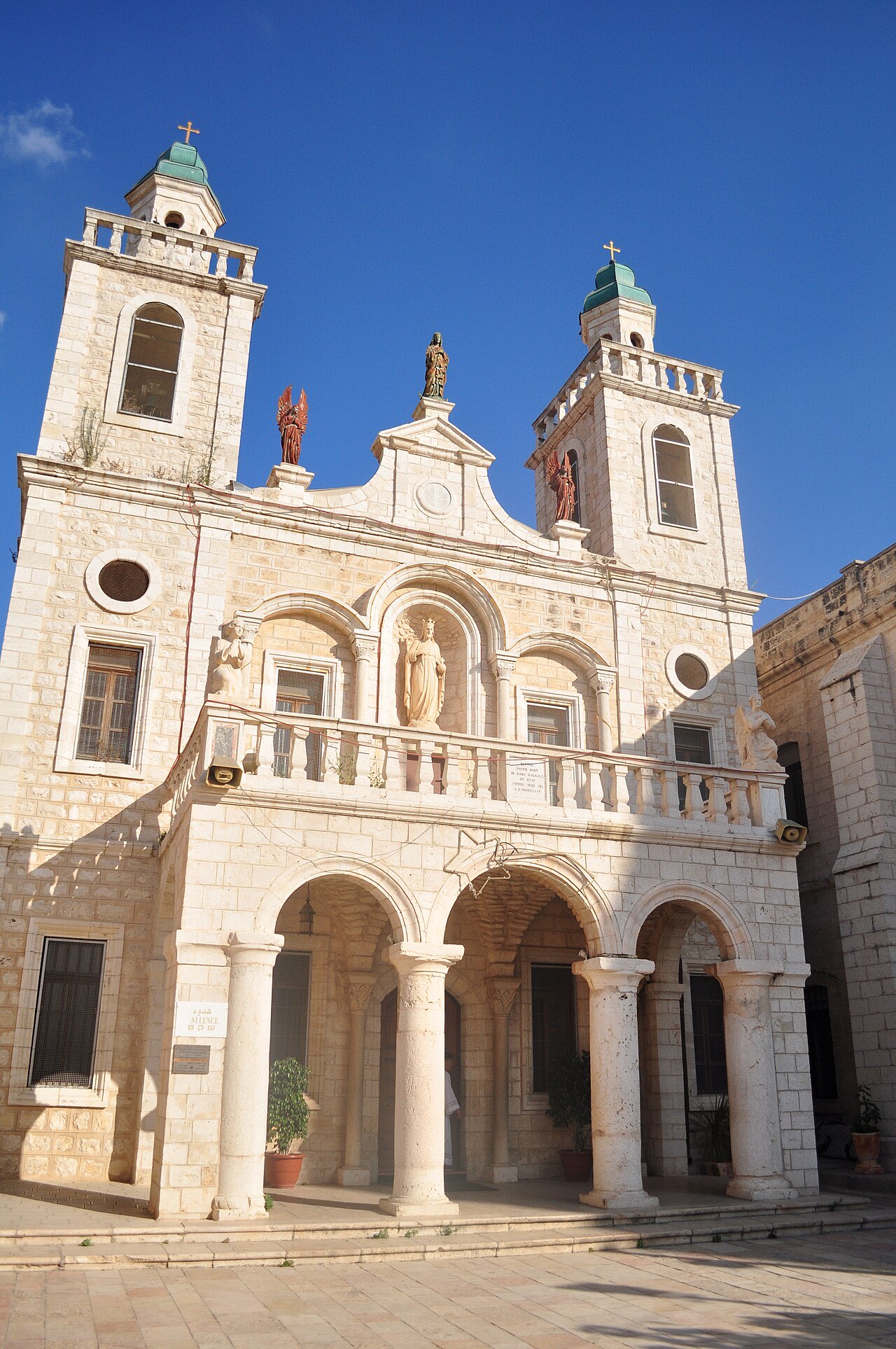
Cana was a small Galilean village a few hours’ walk from Nazareth – close enough that Jesus’ mother was involved in a local wedding and Jesus and his new disciples were on the guest list. Its exact site is debated: pilgrims have long honored Kafr Kanna, on the road from Nazareth toward the Sea of Galilee, while many archaeologists favor the ruin of Khirbet Qana a few miles north. Either way, it was an unremarkable farm town – which is precisely the kind of stage John’s Gospel loves.
At a wedding feast here, with the wine gone and a family facing social disaster, Jesus quietly turned somewhere between 120 and 180 gallons of purification water into wine so good the master of the feast was baffled. John calls it “the first of his signs,” the moment Jesus “manifested his glory. And his disciples believed in him” (John 2:1-11). Purification jars filled with the wine of celebration: the sign points from ritual toward joy, from the old order toward the wedding feast of the Lamb.
Jesus returned to Cana at least once more, and from there – at a distance of some twenty miles – healed a royal official’s dying son in Capernaum with nothing but a word (John 4:46-54). Nathanael, the disciple who had asked whether anything good could come from Nazareth, was himself from Cana (John 21:2).
In the New Testament
- The wedding at Cana, the first sign (John 2:1-11)
- The healing of the official’s son, the second sign (John 4:46-54)
- Nathanael of Cana among the disciples (John 21:2)