
Caesarea Philippi
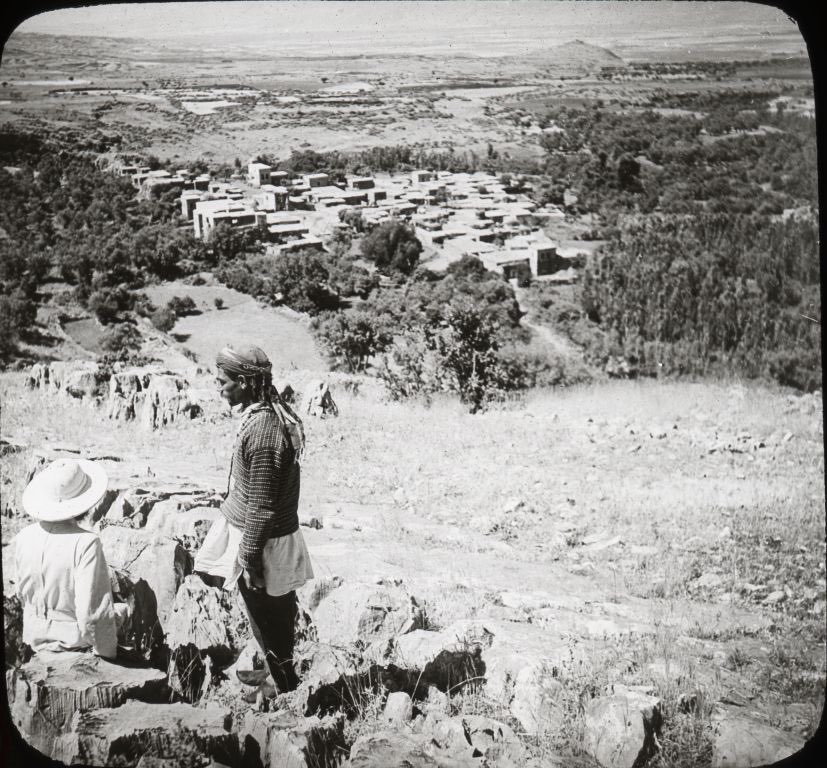
At the foot of Mount Hermon, twenty-five miles north of the Sea of Galilee, a spring bursts from a cliff and becomes one of the Jordan’s sources. Greeks dedicated the cave above it to the god Pan – the place was called Panias, and the name survives as Banias today. Herod’s son Philip built his capital there and named it Caesarea in the emperor’s honor, “Philippi” distinguishing it from the Caesarea on the coast. Niches for pagan idols are still cut into the cliff face, and tradition called the yawning cave mouth the “gates of Hades.”
Jesus walked his disciples all the way to this monument of paganism to ask the question at the center of the Gospels: “Who do you say that I am?” Against that backdrop – dead gods in the rock, a city named for a deified emperor – Peter answered: “You are the Christ, the Son of the living God” (Matthew 16:13-20). Jesus’ reply took the local scenery into his promise: “on this rock I will build my church, and the gates of hell shall not prevail against it.”
From that moment the story turns: “From that time Jesus began to show his disciples that he must go to Jerusalem and suffer many things… and be killed, and on the third day be raised” (Matthew 16:21). The road to the cross starts at the gates of Hades.
In the New Testament
- Peter’s confession of Christ (Matthew 16:13-20; Mark 8:27-30)
- The first passion prediction, given in this district (Matthew 16:21-28)
- The Transfiguration follows nearby, perhaps on Hermon itself (Matthew 17:1-8)