
Athens
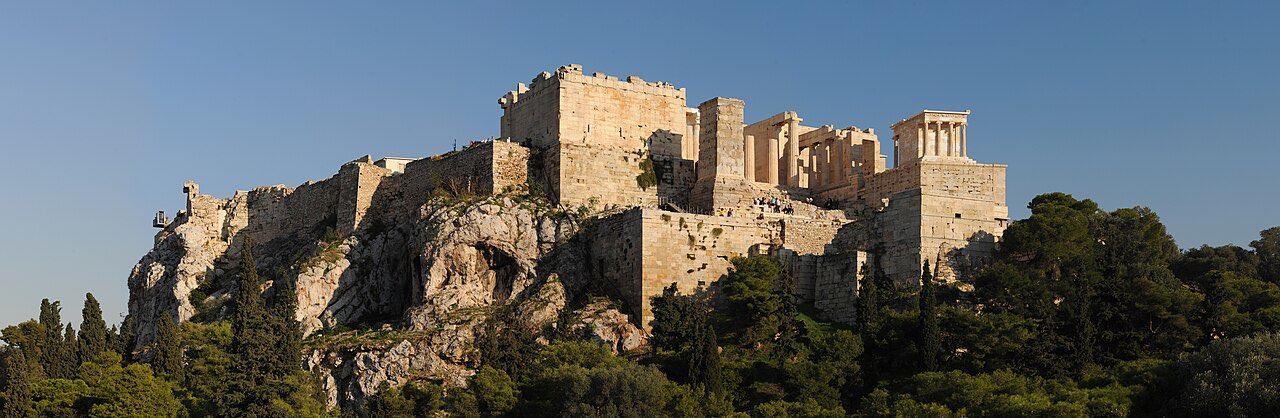
By Paul’s day Athens’ empire was five centuries gone, but its name still meant what it means now: philosophy, art, and the memory of Socrates. It was also, to a monotheist’s eye, wall-to-wall idolatry – “his spirit was provoked within him as he saw that the city was full of idols” (Acts 17:16). Paul argued in the synagogue and the marketplace until the Epicurean and Stoic philosophers, hearing what sounded like “foreign divinities” (Jesus and Anastasis – “resurrection”), brought him to the Areopagus, the ancient council named for the Hill of Ares below the Acropolis.
The speech Luke records there (Acts 17:22-31) is the New Testament’s masterclass in speaking to people who do not know the Scriptures. Paul starts from their own altar “to the unknown god” and their own poets – “in him we live and move and have our being” – and builds from creation to providence to repentance, landing on the one thing Athens could not domesticate: God “has given assurance to all by raising him from the dead.” At the word resurrection some mocked, some delayed, and some believed, among them Dionysius the Areopagite and a woman named Damaris.
No riot, no church letter, no long stay – Athens was a seed scattered on sophisticated soil. Paul left for Corinth, resolved, he later said, “to know nothing among you except Jesus Christ and him crucified” (1 Corinthians 2:1-2).
In the New Testament
- Provoked by the idols; debates in the agora (Acts 17:16-21)
- The Areopagus address (Acts 17:22-34)
- Paul waits alone at Athens (1 Thessalonians 3:1)