
Armageddon
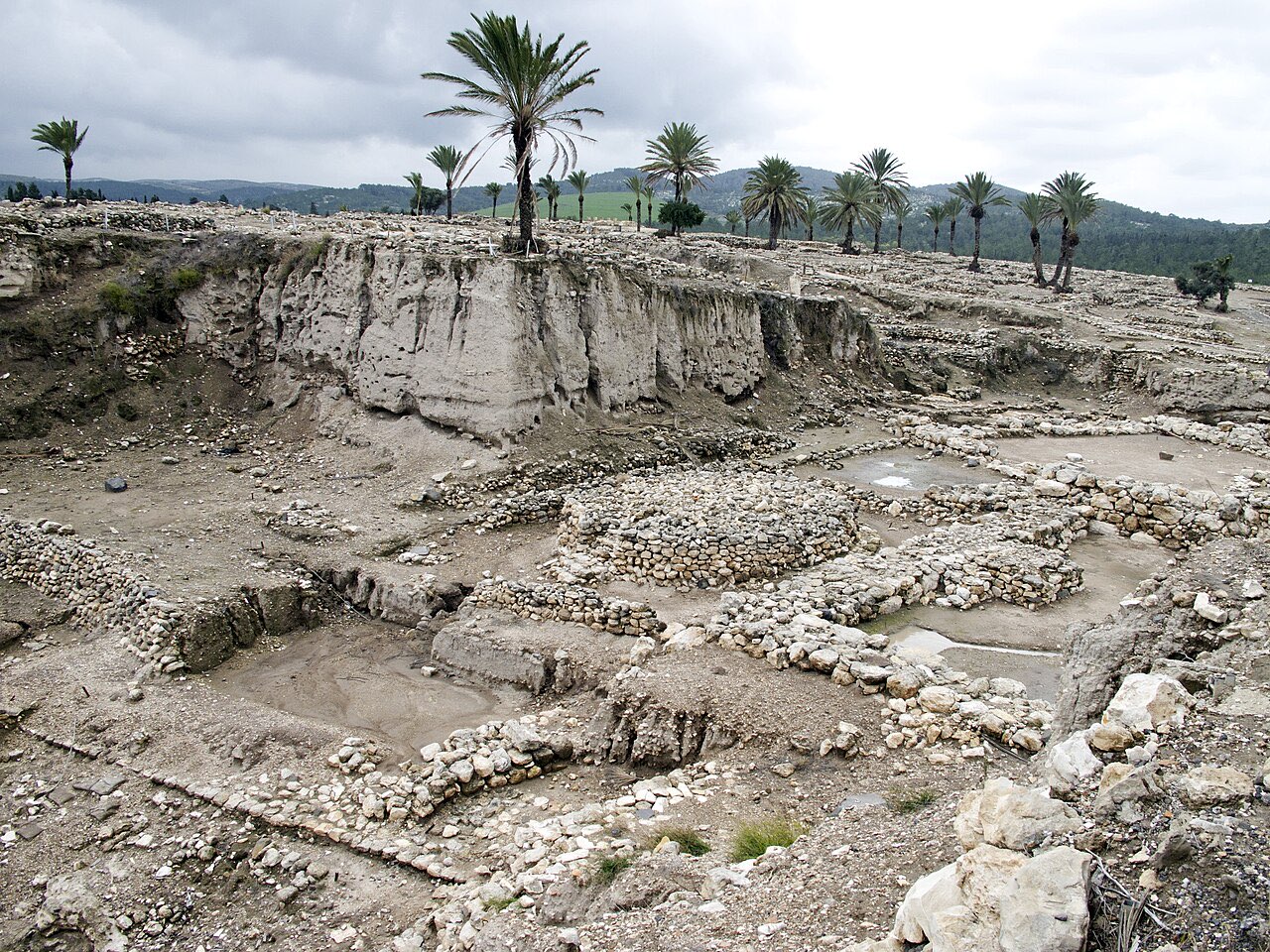
The word appears exactly once in Scripture: the spirits of demons assemble the kings of the whole world “at the place that in Hebrew is called Armageddon” – Har-Magedon, the mount of Megiddo (Revelation 16:16). Megiddo itself is real and blood-soaked: a fortress mound guarding the pass where the international coast road enters the Jezreel Valley. Deborah’s forces triumphed “by the waters of Megiddo” (Judges 5:19); King Josiah died in this valley opposing Pharaoh Neco (2 Kings 23:29); armies from Thutmose III to Allenby have fought for the same crossing. Twenty-five layers of ruined cities lie stacked in the tell.
That is why the name works as a symbol. Revelation is not publishing map coordinates for a future troop deployment – there is no literal “mount” of Megiddo, and the battle, when the chapters reach it, is no contest at all: the armies gather, and the Word of God simply wins (Revelation 19:11-21). Har-Magedon names the world’s most fought-over battlefield in order to say: every rebellion in history has been marching toward one final, foregone defeat.
The reassurance is built into the geography. At the place where empires always collided, the last word belongs to the Rider on the white horse.
In the New Testament
- The gathering at Armageddon (Revelation 16:12-16)
- The battle that is no battle (Revelation 19:11-21)
- Old Testament background: Judges 5:19; 2 Kings 23:29; Zechariah 12:11