
The Wise and Foolish Virgins
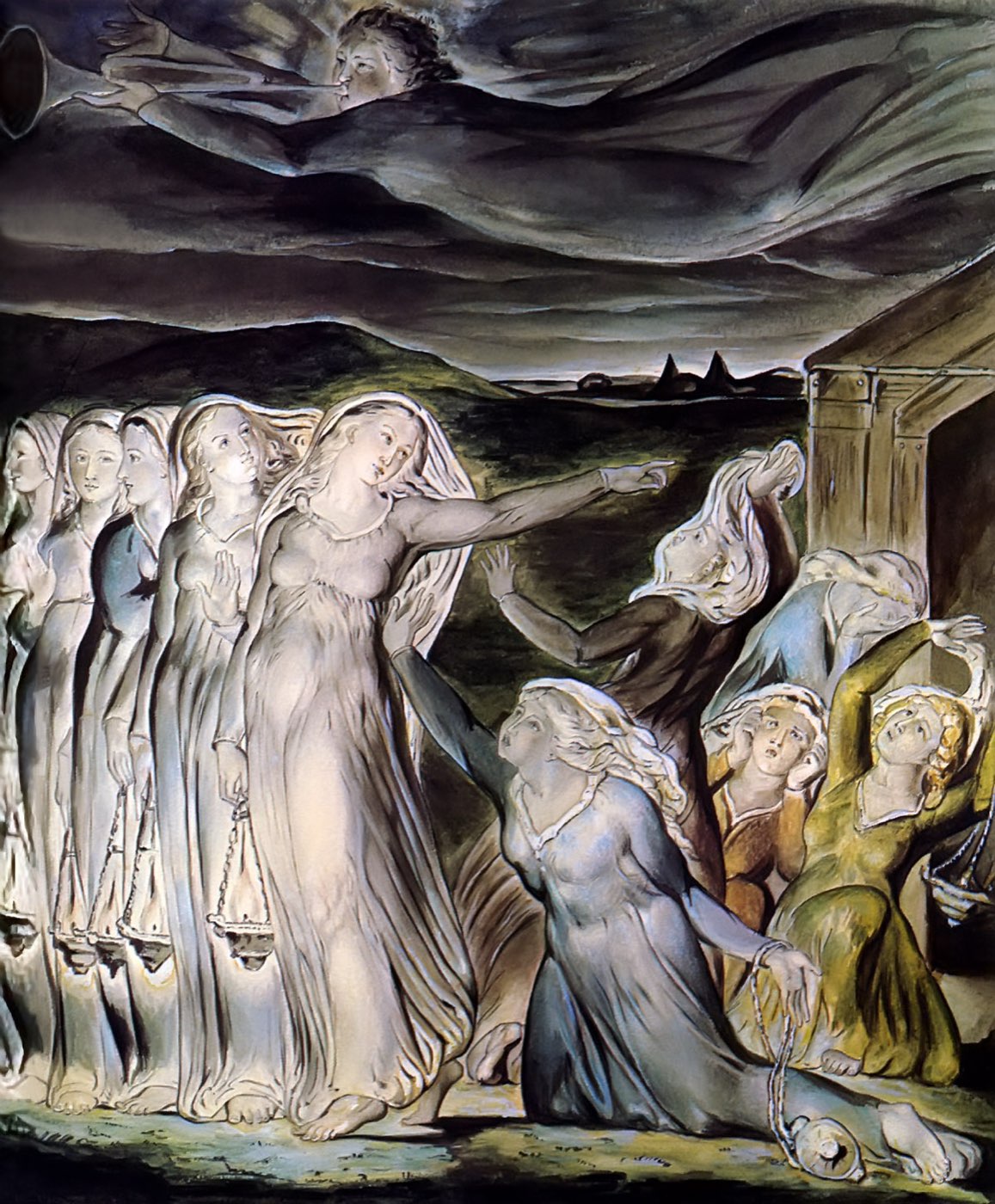
The Olivet Discourse ends in parables about the wait, and this one is about its length. Ten bridesmaids take their lamps to meet the bridegroom; five bring extra oil, five do not. The point of division is not devotion – all ten belong to the wedding party, all ten carry lamps, and when the bridegroom is delayed, “they all became drowsy and slept” (Matthew 25:1-5). Sleeping is not the failure; running dry is.
At midnight the cry comes, and the difference surfaces in a moment no one can share: “Give us some of your oil, for our lamps are going out.” The wise virgins’ refusal sounds harsh and is simply true – some things cannot be borrowed at midnight. Readiness for Christ is one: no one can believe for you, watch for you, or hand over a stocked interior life at the last minute. While the foolish are out shopping, “the bridegroom came, and those who were ready went in with him to the marriage feast, and the door was shut” (Matthew 25:6-10).
The knock and the answer – “Lord, lord, open to us.” “Truly, I say to you, I do not know you.” – echo the Sermon on the Mount’s most sobering warning (Matthew 7:21-23). Jesus’ own moral for the parable is one word long, stretched over every generation of the waiting church: “Watch therefore, for you know neither the day nor the hour” (Matthew 25:13).
In the New Testament
- The parable of the ten virgins (Matthew 25:1-13)
- Its setting in the Olivet Discourse (Matthew 24:36-51)