
The Shrewd Manager
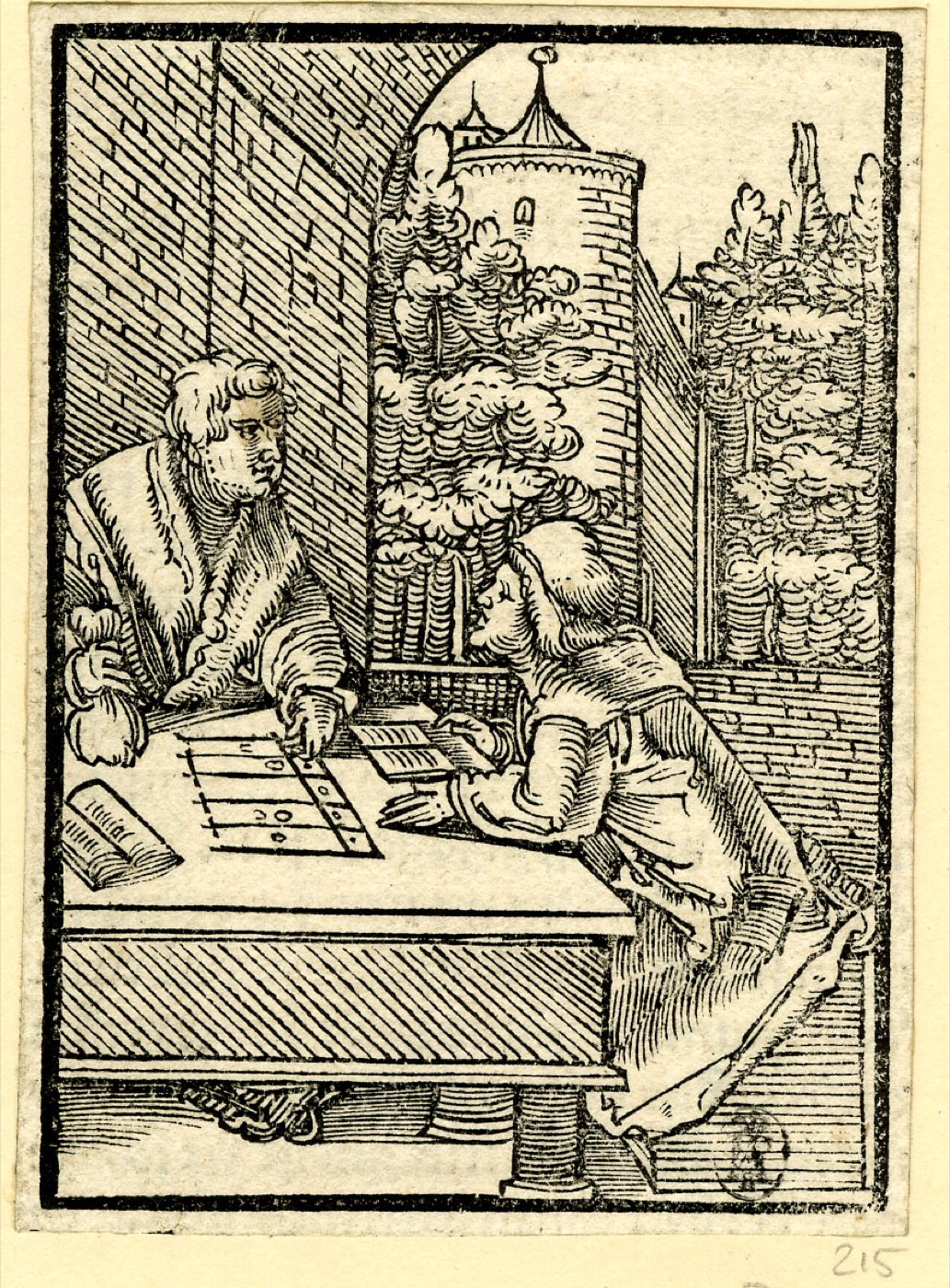
It is the parable that makes readers squirm: the hero cooks the books. A manager, fired for wasting his master’s possessions and too proud to beg, uses his last hours of signing authority to discount the debts of his master’s debtors – a hundred measures of oil marked down to fifty, a hundred of wheat to eighty – buying himself a future of grateful open doors. And “the master commended the dishonest manager for his shrewdness” (Luke 16:1-8).
Jesus is not commending fraud, and says so in the very next breaths (“one who is dishonest in a very little is dishonest also in much,” Luke 16:10). What he commends is the man’s clear-eyed urgency: facing a certain reckoning, he acted decisively, today, using what was passing through his hands to secure what came next. “The sons of this world are more shrewd in dealing with their own generation than the sons of light” – the sting of the parable is that crooks plan for their future more seriously than believers plan for theirs.
The application Jesus draws is startlingly practical: “make friends for yourselves by means of unrighteous wealth, so that when it fails they may receive you into the eternal dwellings” (Luke 16:9). Money is a tool with an expiration date; spent on people – generosity, mercy, the gospel – it converts into the only currency that crosses the line of death. The steward’s morals are a warning; his urgency is the assignment.
In the New Testament
- The parable of the dishonest manager (Luke 16:1-13)