
The Rich Man and Lazarus
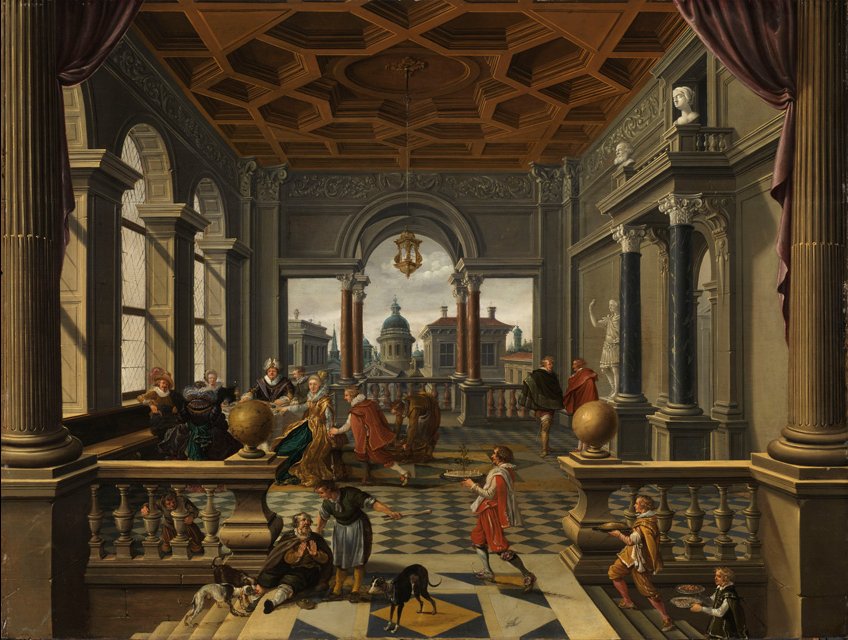
It is the only parable where Jesus gives a character a name – and the name goes to the beggar. Lazarus (“God helps”) lay at the rich man’s gate, covered with sores, longing for table scraps, the dogs his only attendants; the rich man, purple-clad and feasting “sumptuously every day,” is anonymous forever (Luke 16:19-21). The world’s captions are reversed before the story even moves.
Death moves it. Lazarus is “carried by the angels to Abraham’s side”; the rich man, from torment, looks up and – the damning detail – knows the beggar’s name. He had stepped over Lazarus daily, knowing exactly who he was. Even now he tries to order him around: send Lazarus with water, send Lazarus to my brothers. Abraham’s replies are gentle and immovable: the reversal is just, and “a great chasm has been fixed” (Luke 16:22-26).
The parable’s final thrust reaches out of the story into every congregation since. To the plea that a visitor from the dead would surely convince the five brothers, Abraham answers: “They have Moses and the Prophets… If they do not hear them, neither will they be convinced if someone should rise from the dead” (Luke 16:27-31) – a sentence that landed twice: a real Lazarus soon rose, and the council plotted murder; and the Teller of the parable rose, and hearts set against Scripture stayed set. The evidence was never the shortage; the listening was.
In the New Testament
- The parable of the rich man and Lazarus (Luke 16:19-31)
- Its frame: “You cannot serve God and money” (Luke 16:13-15)