
Michael the Archangel
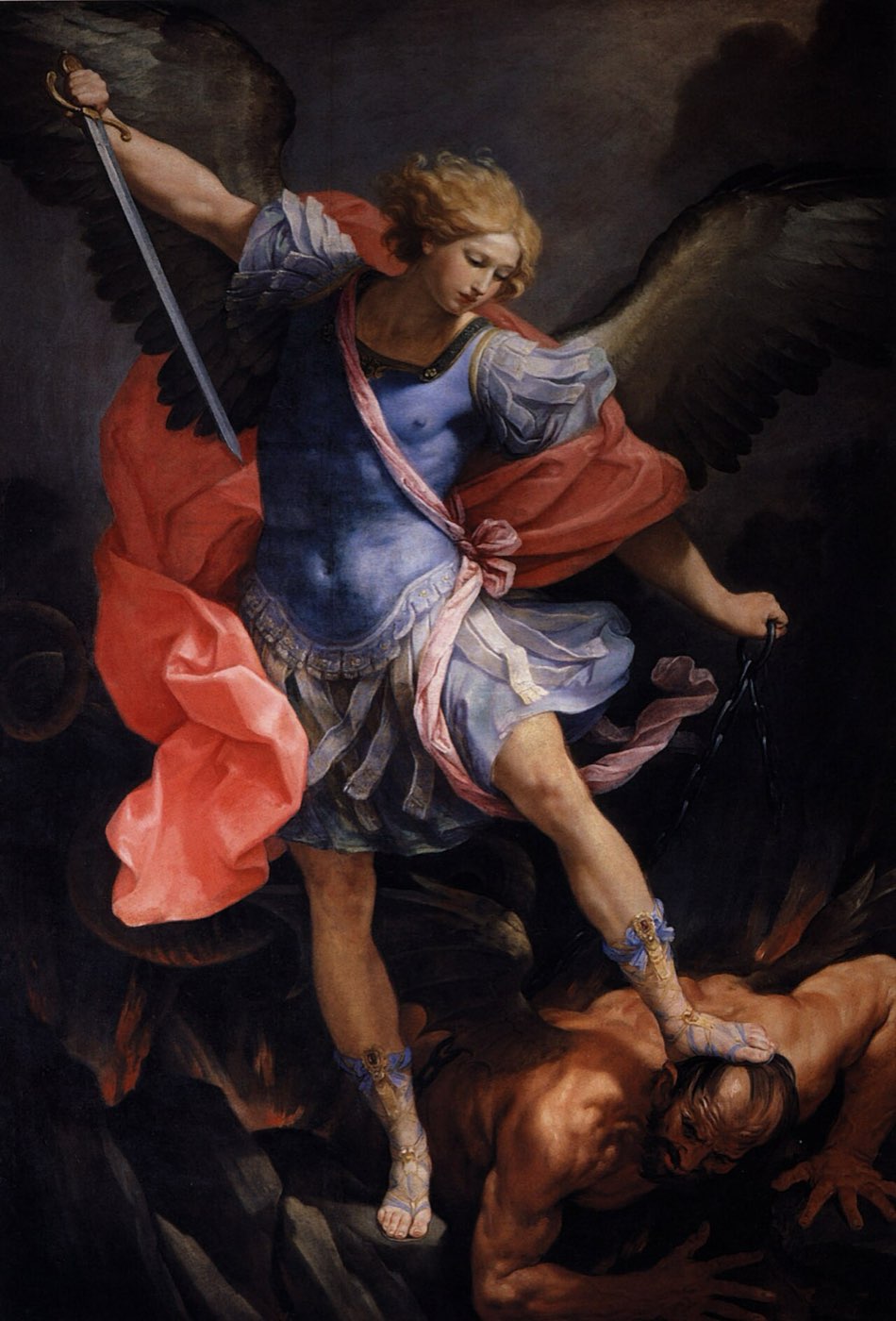
Scripture names only two angels, and Michael is the soldier. Daniel introduces him as “one of the chief princes” and “the great prince who has charge of your people” – heaven’s champion assigned to Israel in the unseen war behind history (Daniel 10:13, 21; 12:1). The New Testament keeps both the rank and the portfolio: he is “the archangel,” and his two appearances frame the Bible’s angelology between combat and humility.
The combat is Revelation 12: “Now war arose in heaven, Michael and his angels fighting against the dragon… and the great dragon was thrown down, that ancient serpent, who is called the devil and Satan” (Revelation 12:7-9). Even here the text is careful about credit – the victors’ anthem says the brothers conquered “by the blood of the Lamb and by the word of their testimony.” Michael executes a victory the cross secured.
The humility is Jude 9, one of Scripture’s strangest sentences: disputing with the devil over the body of Moses, Michael “did not presume to pronounce a blasphemous judgment, but said, ‘The Lord rebuke you.’” The mightiest created warrior would not freelance even a rebuke of the enemy – Jude’s rebuttal to loudmouthed false teachers who “blaspheme the glorious ones” they know nothing about. And it is “the voice of an archangel” that will accompany the Lord’s descent and the raising of the dead (1 Thessalonians 4:16): the soldier’s last assignment is the reveille.
In the New Testament
- The dispute over Moses’ body (Jude 9)
- War in heaven (Revelation 12:7-12)
- The archangel’s call (1 Thessalonians 4:16)
- Old Testament background (Daniel 10:13, 21; 12:1)
Key Locations
- Heaven / Eternity The eternal dwelling of God, where John's Gospel begins before time and space existed.