
The Least of These
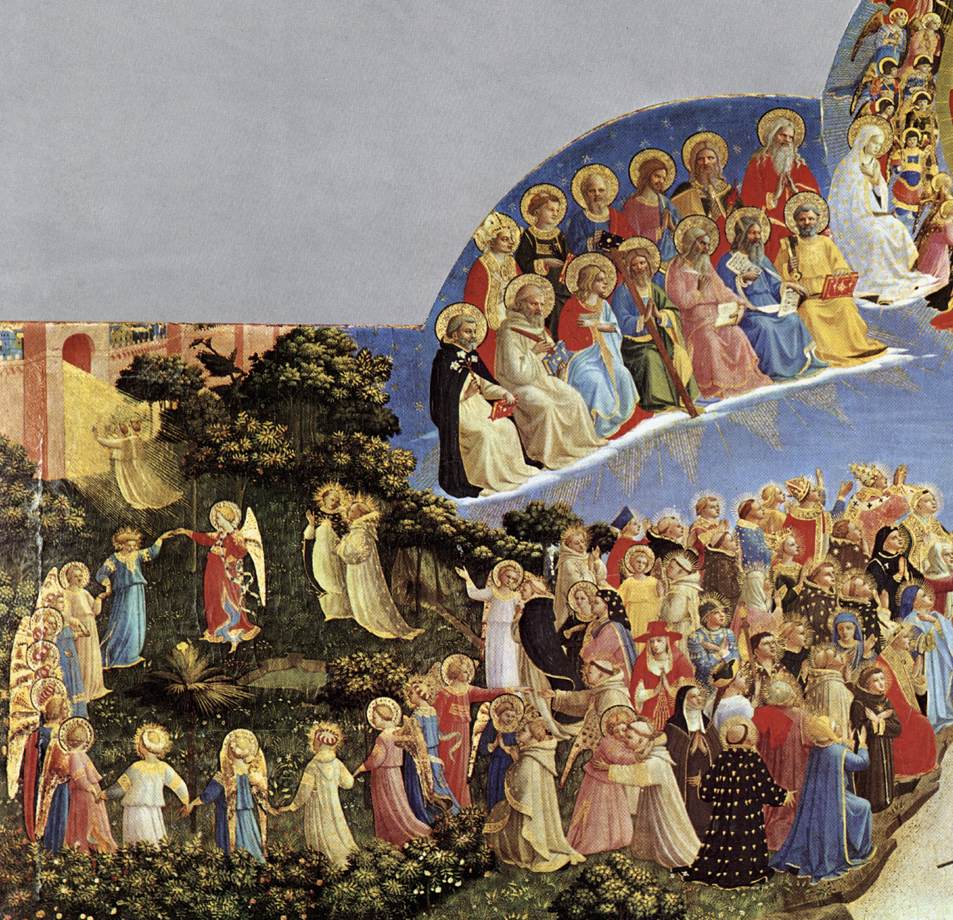
Jesus’ last teaching before the Passion is not a parable so much as a preview: “When the Son of Man comes in his glory… he will separate people one from another as a shepherd separates the sheep from the goats” (Matthew 25:31-33). The judgment’s evidence surprises both groups equally. To the sheep: “I was hungry and you gave me food, I was thirsty and you gave me drink, I was a stranger and you welcomed me, I was naked and you clothed me, I was sick and you visited me, I was in prison and you came to me.”
Both the blessed and the condemned ask the same astonished question – Lord, when did we see you? – and the King’s answer collapses the distance between himself and the overlooked: “as you did it to one of the least of these my brothers, you did it to me” (Matthew 25:34-40). Mercy shown to the forgettable turns out to have been shown to the Judge himself; mercy withheld from them, withheld from him. The goats are not charged with atrocities, only with omissions – the nothing they did.
The church has heard its marching orders here for two thousand years: every soup kitchen, hospital visit, prison ministry, and refugee welcome traces to these verses, where Christ identified his own face with the faces the world edits out.
In the New Testament
- The sheep and the goats (Matthew 25:31-46)
- Its companions: mercy as the law’s weight (Matthew 23:23; James 2:14-17; 1 John 3:17-18)