
The Ethiopian Eunuch
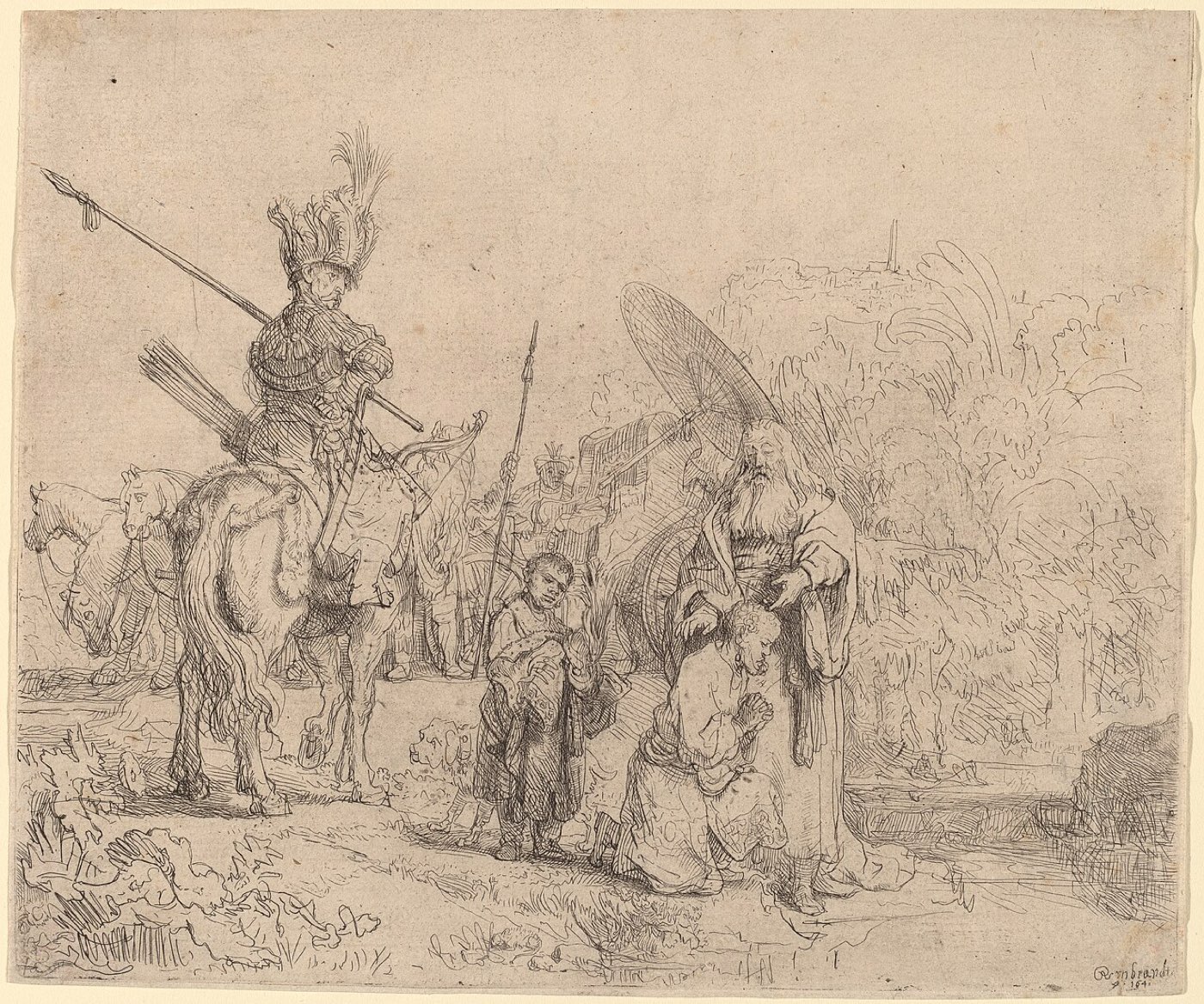
He was a man of paradoxes: a court official of Candace, queen of the Ethiopians (the kingdom of Meroë, in modern Sudan), “in charge of all her treasure” – powerful, wealthy, literate in Greek, riding a chariot with a private copy of Isaiah, an extravagance few synagogues could afford. Yet as a eunuch he was barred by law from the assembly of Israel he had traveled a thousand miles to worship with (Deuteronomy 23:1). He had come to Jerusalem as a permanent outsider, and was going home still reading, still seeking (Acts 8:27-28).
Providence timed the encounter to the verse: when Philip ran up, the passage under the treasurer’s eyes was Isaiah 53 – “like a sheep he was led to the slaughter.” His question is every honest reader’s: “About whom, I ask you, does the prophet say this?” And “beginning with this Scripture,” Philip “told him the good news about Jesus” (Acts 8:32-35). A few verses along, Isaiah promises eunuchs who hold fast the covenant “a monument and a name better than sons and daughters” (Isaiah 56:3-5); whether or not they read that far aloud, the man grasped its substance: “See, here is water! What prevents me from being baptized?” Nothing did.
He “went on his way rejoicing,” carrying the gospel toward Africa before Peter had met Cornelius – the excluded worshiper made one of the church’s first international members, exactly as the Servant Song he was reading had promised.
In the New Testament
- The conversion on the Gaza road (Acts 8:26-40)
- The scroll he was reading (Isaiah 53:7-8) and the promise nearby (Isaiah 56:3-8)
Key Locations
- The Gaza Road The desert road toward Gaza where Philip baptized the Ethiopian eunuch.
- Jerusalem The holy city -- David's capital, the temple's home, the stage of the crucifixion, resurrection, and Pentecost.